
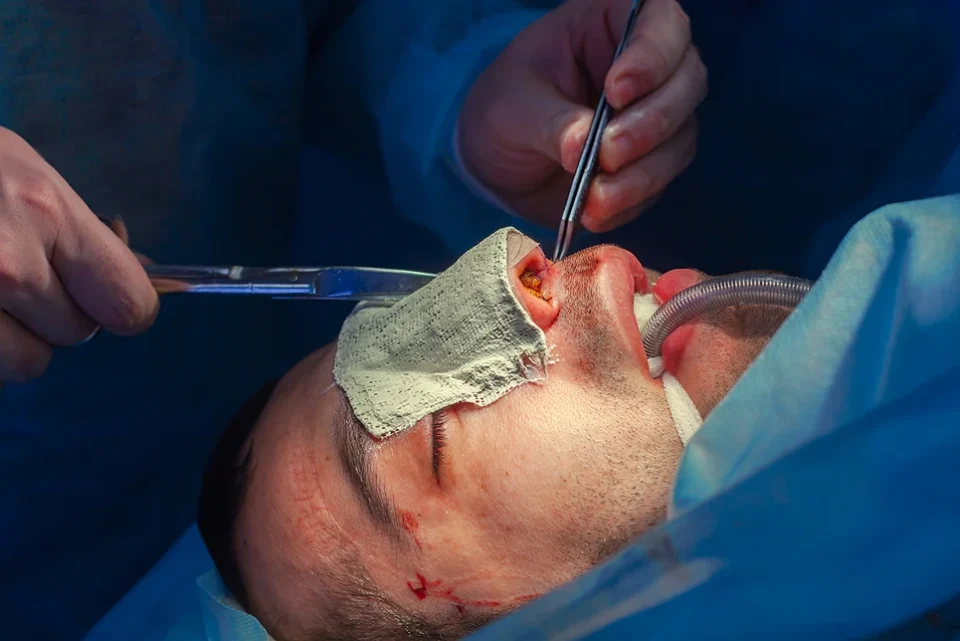
The Art of Mohs Surgery: What Makes It Unique?
Mohs Micrographic Surgery: A Pioneering Technique
Mohs micrographic surgery, developed by Dr. Frederick Mohs in the 1930s, is a meticulous surgical technique designed for the excision of skin cancers, particularly non-melanoma types such as basal cell carcinoma and squamous cell carcinoma. What makes Mohs unique is its dual approach of both excising cancerous tissues while simultaneously examining them microscopically during the procedure. This allows physicians to ensure that all cancerous cells are removed while preserving as much healthy tissue as possible. The foundation of Mohs surgery lies in its dermatological precision; following the initial excision, the surgeon examines the edges and underlying layers of the removed tissue for cancerous cells, allowing the procedure to continue iteratively until the margins are clear. This technique not only maximizes cancer removal but minimizes recurrence rates, making it a gold standard in skin cancer treatment.
The Why and How of Skin Cancer Treatment
Skin cancer, primarily caused by prolonged exposure to ultraviolet (UV) rays from the sun or tanning beds, is one of the most prevalent forms of cancer in the United States. As with any cancer, early detection and removal of malignant cells are key to successful treatment outcomes. Mohs surgery is particularly indicated for cancers located in cosmetically sensitive areas, such as the face, neck, and hands, where preserving cosmetic appearance is crucial. The holistic approach of Mohs surgery not only provides immediate histological feedback, enabling surgeons to make real-time decisions about additional tissue removal, but it also instills confidence in patients concerned about scarring. The technique’s effectiveness is supported by extensive research evidencing high cure rates – with some reports indicating success rates exceeding 99% for basal cell carcinoma and up to 97% for squamous cell carcinoma.
Understanding the Precision: Layers and Margins Explained
At the heart of Mohs surgery’s efficacy is its processing method, which focuses on meticulous layer-by-layer excision of skin. Instead of removing a significant portion of skin in a single cut, the surgeon removes a thin layer of tissue—about the thickness of a pancake—along with the surrounding margin. After the layer is excised, it is processed for microscopic examination in the same facility where the surgery is being performed. If invasive cancerous cells are detected at the edges or deeper margins, the surgeon will remove another layer and repeat the process. This stepwise method continues until no cancerous cells are found in the remaining margins, ensuring that all malignant tissues are eradicated. The ability to confirm complete margin clearance offers a definitive advantage in minimizing the risk of recurrence, which is a typical concern in traditional excisional surgery.
Demystifying the Procedure: What to Expect on Surgery Day
Your Surgical Journey: From Consultation to Recovery
Understanding what to expect on the day of Mohs surgery begins long before you arrive at the surgical center. Initial consultations typically involve a thorough skin examination, a review of your medical history, and a discussion of your surgical options. Your dermatologist or Mohs surgeon will explain the procedure, potential risks, and post-operative care in detail. On the day of the procedure, you’ll check in, usually first thing in the morning. After you’re taken to a private surgical suite, the surgeon will begin by cleansing the area and administering local anesthesia to minimize discomfort, making the experience more manageable. Once sedated, the surgery commences. Depending on the size and complexity of the cancerous lesion, the entire process can take anywhere from a couple of hours to an entire day. Following the procedure, recovery is usually swift, allowing most patients to return to their typical routines within a few days, although some limitations may be recommended to promote healing.
Local Anesthesia and Its Role: Comfort During the Process
A major component of Mohs surgery is the use of local anesthesia, which helps alleviate pain during the procedure while allowing patients to remain awake and alert. The anesthesia is typically administered via an injection directly into the area surrounding the tumor. Patients often report a brief stinging sensation from the injection, but this quickly subsides, paving the way for a more comfortable surgical experience. One of the primary advantages of local anesthesia is that patients can remain cognizant throughout the process, fostering an environment where they can ask questions and receive real-time updates from their surgical team. This level of engagement can significantly reduce anxiety, as many patients find reassurance in understanding the process as it unfolds. Furthermore, the use of local anesthesia allows for a quicker recovery, minimizing the risks associated with general anesthesia.
Real Patient Experiences: Stories of Transformation
The transformative power of Mohs surgery is best illustrated through the experiences of real patients who have journeyed through skin cancer treatment. Consider the story of Emily, a 42-year-old teacher who discovered a small, non-healing sore on her nose. After a biopsy confirmed basal cell carcinoma, she felt overwhelmed with anxiety regarding both the procedure and the potential cosmetic implications. However, after undergoing Mohs surgery, not only did her surgeon successfully remove all cancerous cells, but she also benefitted from minimal scarring, a testament to the precision of the technique. Patients like Emily often share their stories to emphasize the value of seeking early treatment and the relief that comes with knowing their cancer has been fully excised. Such experiences not only highlight the technical advantages of Mohs surgery but also underscore the emotional journey that many patients go through, transforming fear into healing and hope.
Benefits Beyond Skin Deep: Why Choose Mohs Surgery?
High Cure Rates: The Success of Mohs Surgery
One of the most compelling reasons patients are steered towards Mohs surgery is its remarkably high cure rates. Due to the intricate method of analyzing tissue on-site during the procedure, Mohs surgery boasts cure rates upwards of 99% for basal cell cancers and around 97% for squamous cell cancers, particularly for lesions that have recurred or have other complicating factors. Traditional excisional surgery often requires follow-up procedures due to missed margins, which can extend both emotional and financial burdens on patients. The efficacy of Mohs means that patients can have confidence in a one-and-done approach, often walking away from the experience with the peace of mind that they are cancer-free, with the additional benefit of preserving surrounding healthy tissue. For many, these high cure rates redefine what success looks like when dealing with a skin cancer diagnosis.
Minimal Scarring: Aesthetic Advantages You’ll Love
In an era where appearance holds considerable weight in daily life, it’s crucial for patients to consider the aesthetic implications of their surgical options. One of the standout benefits of Mohs surgery is its ability to minimize scarring. The layer-by-layer removal of skin allows surgeons to preserve healthy tissue, which plays a significant role in maintaining the integrity of the skin’s appearance. Moreover, Mohs surgeons often have advanced training in dermatologic surgery, equipping them with specialized techniques designed to optimize cosmetic outcomes. Whether the surgeon uses intricate suturing methods or strategically positions incisions to follow natural facial contours, the goal remains to minimize the visible aftermath of surgery. Many patients report not only satisfaction with their cancer removal but also with the cosmetic results of their procedures, feeling confident in their appearance post-surgery.
Preserving Healthy Tissue: The Smart Approach to Treatment
The ethos behind Mohs surgery revolves around preserving as much healthy tissue as possible while ensuring complete cancer removal, a balance that is particularly important in sensitive areas. This technique stands in stark contrast to traditional excision methods that may necessitate larger margins of healthy tissue to account for potential unseen cancer cells. By precisely mapping and monitoring the removed tissue, Mohs surgeons can fine-tune their approach, excising just enough to ensure all cancerous cells are eradicated. This surgical philosophy is not only less invasive but also reduces the risks associated with larger wound sites, such as infection or delayed healing. For anyone faced with a skin cancer diagnosis, the preservation of healthy tissue often translates into a faster recovery, less discomfort, and a significantly better overall outcome.
Aftercare and Lifelong Skin Health: Steps to Take
Post-Operative Care: Caring for Your Surgical Site
After Mohs surgery, proper aftercare is essential to facilitate healing and minimize complications. Typically, patients are provided comprehensive instructions post-surgery that detail how to care for the surgical site. These may include keeping the area clean and dry, avoiding strenuous activities for a few weeks, and adhering to prescribed medication regimens if pain or inflammation occurs. It’s also advised to avoid direct sun exposure on the surgical site to prevent irritation or complications during the healing process. Regular follow-up appointments with your dermatologist are crucial for monitoring the healing progress. During these visits, any concerns can be addressed, and further treatments, such as scar management or laser therapies, can be discussed, ensuring optimal recovery and aesthetic outcomes.
Skin Cancer Prevention: Proactive Measures for the Future
Engaging in proactive skin cancer prevention is a vital follow-up to Mohs surgery. Patients are educated about the importance of sun protection, emphasizing the need for broad-spectrum sunscreen, protective clothing, and regular skin checks. These steps are particularly important as patients who have had one skin cancer are prone to developing others. Adopting a skin-healthy lifestyle, such as maintaining a balanced diet rich in antioxidants, avoiding tanning beds, and quitting smoking, can significantly bolster the body’s defenses against further malignances. Additionally, patients are encouraged to perform regular self-examinations to monitor any new or changing skin lesions and report them immediately to their dermatologist as part of a vigilant ongoing care strategy.
Regular Skin Checks: Staying Vigilant After Mohs Surgery
Finally, establishing a routine of regular skin checks with a dermatologist is imperative for long-term skin health. These visits allow for professional evaluation of any new or existing moles and offer a platform for discussing any concerns that may arise. Early detection remains a key factor in combating skin cancer, and regular dermatological assessments can catch abnormalities before they progress. Most dermatologists recommend a yearly skin exam for adults, but those with a history of skin cancer may benefit from more frequent visits. Establishing an open dialogue with your healthcare provider can foster an environment of transparency, where any potential issues are addressed promptly, ensuring continued peace of mind regarding skin health.
FAQ
Question: What are the main risks associated with Mohs surgery? – While Mohs surgery is generally safe, there are risks involved, including infection, bleeding, and allergic reactions to anesthesia. Patients should discuss these risks with their surgeon in the pre-operative consultation.
Question: How long does the Mohs surgery process typically take? – The total time for Mohs surgery can vary, typically ranging from a couple of hours to an entire day, depending on the size and complexity of the cancerous lesion being excised.
Question: Is Mohs surgery covered by insurance? – Most health insurance plans cover Mohs surgery when it is deemed medically necessary, but it’s recommended that patients verify their specific coverage details with their insurance provider prior to surgery.
Question: Can Mohs surgery be performed on any area of the body? – Mohs surgery is particularly beneficial for cosmetically sensitive areas, like the face and neck, but it can technically be performed on any part of the body where non-melanoma skin cancers are found.
Question: How soon can I return to normal activities after Mohs surgery? – Most patients can return to their usual routines within a few days, although some limitations on physical activity may be recommended to promote optimal healing.
Question: What should I do if I notice new symptoms after my surgery? – If you experience unusual symptoms such as increased pain, redness, swelling, or any changes at the surgical site after Mohs surgery, you should contact your dermatologist or surgeon promptly for evaluation.
Question: How can I best support my healing process after Mohs surgery? – To support healing, follow post-operative care instructions carefully, keep the surgical site clean and dry, avoid sun exposure, and attend follow-up appointments as scheduled.
Question: Are there specific sun protection measures I should take after Mohs surgery? – Yes, it’s crucial to apply a broad-spectrum sunscreen with an SPF of at least 30 on the healing area and to wear protective clothing or hats to minimize sun exposure during recovery.
Useful Resources
- Mayo Clinic – Comprehensive health information and resources on skin cancer and Mohs surgery.
- American Academy of Dermatology – Educational materials on skin diseases, treatments, and skin cancer prevention.
- American Cancer Society – Resources on cancer types, treatment options, and survivorship.
- National Institutes of Health – Access to medical research and articles related to skin cancer and treatments.
- Skin Cancer Foundation – Educational resources about skin cancer prevention, treatment, and research.
- American Academy of Dermatology Association – Information on dermatology practices and patient education.
- National Institute of Arthritis and Musculoskeletal and Skin Diseases – Research and resources on skin diseases and treatments.
- National Cancer Institute – Information on cancer research, clinical trials, and treatment options.
