
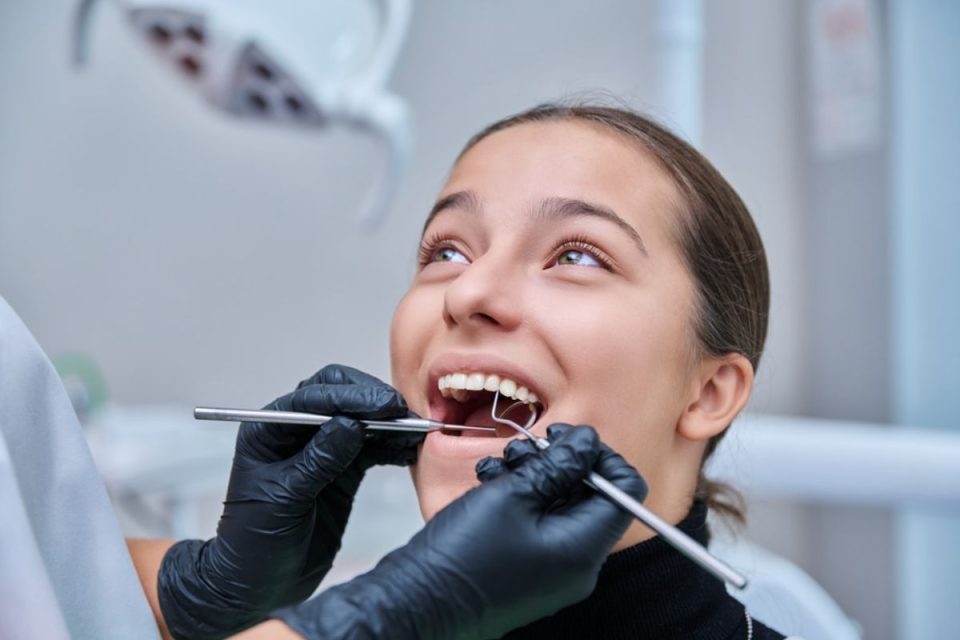
Many people view the bi-annual dental appointment as a flexible suggestion rather than a strict medical necessity. When life gets busy, or budgets get tight, delaying that six-month cleaning feels like an easy way to save time and money. After all, if your teeth do not hurt, everything must be fine.
This mindset relies on a fundamental misunderstanding of oral health. Unlike a cold or a muscle strain, dental issues do not self-correct, and they rarely show symptoms in their earliest stages. By the time you actually feel pain, the damage has progressed significantly. Skipping your routine dental visit is not a cost-saving measure; it is a financial and physical gamble that almost always ends in higher expenses down the road.
The True Cost of Preventive Care vs. Reactive Treatment
To understand why skipping checkups is a financial mistake, you must look at the math behind dental procedures. Preventive dentistry is inherently inexpensive, often completely covered by standard dental insurance policies. Reactive dentistry, which fixes problems after they arise, is highly invasive and financially burdensome.
During a routine six-month visit, a dental hygienist removes hardened plaque, known as calculus or tartar, which cannot be brushed away at home. The dentist then inspects your mouth for early signs of decay, structural weakness, and gum inflammation. If they find a small cavity, treating it requires a simple composite filling.
If you skip these appointments, that minor cavity expands. It eats through the protective enamel and penetrates the deeper dentin layer of the tooth. Eventually, the decay reaches the living pulp and nerve center. What could have been fixed with a minor, inexpensive filling now requires a complex root canal therapy and a protective porcelain crown. The cost difference between a routine filling and a full root canal with a crown is often thousands of dollars.
The Silent Progression of Periodontal Disease
Cavities are not the only threat brewing during missed dental appointments. Gum disease, or periodontal disease, is a leading cause of tooth loss in adults, and it earned its reputation as a silent killer of smiles because it typically develops without any pain whatsoever.
The Early Stage: Gingivitis
When plaque sits undisturbed along your gumline, the bacteria cause inflammation. This initial stage is called gingivitis. You might notice your gums bleed slightly when you brush or floss, but because there is no pain, it is easy to ignore. At this stage, a professional cleaning at your six-month checkup can completely reverse the condition.
The Advanced Stage: Periodontitis
When you skip your checkup, gingivitis escalates into periodontitis. The plaque hardens into tartar and pushes deeper beneath the gumline, creating pockets where destructive bacteria multiply. Your immune system tries to fight off the infection, but the chronic inflammation begins to break down the bone structure and connective tissues holding your teeth in place.
Treating periodontitis requires deep scaling and root planing, frequent periodontal maintenance appointments, or even surgical intervention by a specialist. If left completely unmanaged, your teeth become loose and must be extracted, opening up an entirely new category of extreme expenses: dental implants, bridges, or dentures.
The Systemic Health Connection: Saving Your Wallet and Your Life
Your mouth is the gateway to the rest of your body. Oral health issues do not remain isolated within your jaw; they regularly impact your systemic physical health. Missing dental checkups means missing opportunities to detect major overall health issues early.
Medical research consistently demonstrates a strong correlation between advanced periodontal disease and chronic health conditions, including:
-
Cardiovascular Disease: Chronic oral bacteria can enter the bloodstream, contributing to the inflammation of blood vessels and increasing the risk of heart attacks and strokes.
-
Diabetes Complications: Severe gum disease makes it significantly harder for individuals with diabetes to regulate their blood sugar levels, leading to increased hospitalization costs.
-
Respiratory Infections: Bacteria from infected teeth and gums can be inhaled into the lungs, potentially causing severe pneumonia, especially in older adults.
Furthermore, every comprehensive six-month dental exam includes an oral cancer screening. Dentists look for subtle changes in the tissues of your tongue, throat, and gums that you would never notice in a bathroom mirror. Detecting oral cancer in its earliest stages drastically improves survival rates and keeps treatment costs down. Waiting until you feel physical discomfort often means treating an advanced stage of cancer, which demands extensive surgeries, radiation, and chemotherapy.
Maximizing the Value of Your Dental Insurance
A common reason people cite for skipping the dentist is the cost of the appointment itself. Ironically, this logic causes people to waste the money they already pay for their health benefits.
Most dental insurance plans operate on a use-it-or-lose-it framework. Standard policies often cover two preventive cleanings and exams per year at 100 percent, meaning you pay nothing out of pocket for these visits. However, these benefits do not roll over into the next calendar year. If you do not use them, you forfeit that paid coverage entirely.
By utilizing your preventive benefits, you actively lower your long-term insurance expenditures. When insurance companies cover major restorative work, like bridges, crowns, or oral surgery, they typically only cover 50 to 80 percent of the cost, leaving you with massive copayments. Consistent preventive care ensures you rarely have to tap into those costly tiers of your insurance policy.
What Happens During a Professional Cleaning That You Cannot Do at Home
A final misconception is that an excellent at-home oral hygiene routine makes dental appointments redundant. Even if you brush twice a day and floss meticulously, you cannot replicate the work of a professional dental hygienist.
Saliva contains minerals that naturally strengthen your teeth, but these same minerals mix with plaque to form tartar. Once tartar bonds to your enamel, it is completely insoluble to a standard toothbrush or commercial floss. Trying to scrape it off at home with makeshift tools can permanently destroy your tooth enamel and lacerate your sensitive gum tissue.
Hygienists utilize specialized ultrasonic scalers and hand instruments designed to safely flake away tartar without damaging the tooth underneath. They also use professional-grade polishing pastes that remove microscopic stains and smooth the surface of the enamel, making it harder for new bacteria to adhere to the tooth surface in the future.
Frequently Asked Questions
Can professional dental cleanings cause my teeth to become loose or misaligned?
No, professional cleanings do not loosen healthy teeth. If your teeth feel slightly different or loose after a deep cleaning, it is because a massive buildup of hardened tartar was acting as a physical bridge between the teeth. Once that infected calculus is removed, the true underlying bone loss caused by long-term gum disease is revealed. The cleaning itself did not cause the looseness; rather, skipping previous checkups allowed the disease to destroy the supporting bone.
Why do dentists insist on taking X-rays during routine checkups if my teeth look healthy?
Visual examinations are limited to what the human eye can see on the surface of the tooth. Digital dental X-rays allow clinicians to look through the enamel to see decay forming between teeth, infections nesting at the root tips, bone loss beneath the gumline, and cysts or tumors hidden deep within the jawbone. Skipping X-rays means leaving half of your oral anatomy completely unmonitored.
Is a six-month interval necessary for everyone, or can some people wait a year?
While six months is the standard recommendation for the average person, it is not a one-size-fits-all rule. Individuals with excellent oral hygiene and low cavity risk might occasionally stretch their intervals, but people with a history of gum disease, diabetes, dry mouth, genetic predispositions to decay, or those who smoke often need to visit the dentist every three to four months to keep bacterial colonies under control.
If my gums bleed when I floss, should I skip the dentist until they heal?
Bleeding gums are a clear symptom of active inflammation and infection, not a sign that you should avoid the dentist. Avoiding professional care will only allow the bacteria causing the bleeding to multiply and migrate deeper into your jawbone. You should schedule an appointment immediately so a professional can remove the hard deposits causing the irritation.
How does missing dental visits affect dental work I already have, like crowns or fillings?
Dental restorations do not last forever, and they are subject to wear and tear just like natural teeth. During a six-month checkup, a dentist inspects the margins of your old fillings and crowns to ensure they are still sealed tightly. If a seal breaks, bacteria can slip underneath the restoration and cause rapid, hidden decay that can destroy the remaining tooth structure before you realize anything is wrong.
Can bad breath be completely cured by a six-month dental cleaning?
Chronic bad breath, known as halitosis, is frequently caused by volatile sulfur compounds produced by anaerobic bacteria living in deep gum pockets or on the back of the tongue. A thorough professional cleaning removes these hidden bacterial reservoirs and treats the underlying gum disease, which effectively resolves the root cause of chronic bad breath in a way that mouthwashes and mints cannot.
