
Understanding Blood Plasma: The Unsung Hero of Our Bodies
The Composition of Blood Plasma: What Makes It Unique?
Blood plasma is the liquid component of blood and constitutes about 55% of its overall volume. It is a pale yellow fluid that serves as a crucial medium for transporting various elements throughout the body. Plasma contains approximately 90-92% water, which acts as a solvent for solute substances. The remaining percentage comprises proteins, electrolytes, nutrients, hormones, and waste products.
The most abundant proteins in plasma are albumin, globulins, and fibrinogen. Albumin plays a vital role in maintaining osmotic pressure and transporting substances like fatty acids and hormones. Globulins, which include antibodies, are essential for immune responses, helping the body fend off infections. Fibrinogen is crucial for the blood clotting process, transforming into fibrin during injury to stem bleeding. The electrolyte balance, including sodium, potassium, calcium, and bicarbonate, is pivotal for various physiological functions, including nerve conduction and muscle contraction.
Understanding this composition is vital because it highlights how plasma isn’t merely a fluid; it is a dynamic, active component of our body’s biology, facilitating cellular communication, nutrient delivery, and waste removal. Maintaining the health of blood plasma is not just crucial for individuals, but essential for the overall functioning of the healthcare system, illustrative of the interconnectedness of human biology and health care.
How Plasma Functions: The Lifeblood of Cellular Communication
Plasma acts as the matrix in which other components of blood are suspended and transported, making it indispensable for multiple physiological processes. It serves multiple roles: facilitating the exchange of nutrients and gases, helping regulate body temperature, and managing pH levels. The transportation of immune cells, hormones, and nutrients provides tissues with the essential building blocks for growth and repair.
One critical aspect of plasma’s functionality is its role in maintaining hemostasis—the process that prevents and stops bleeding. Through its components, plasma regulates blood viscosity and clotting tendency. When an injury occurs, the intricate interplay between plasma and platelets is triggered, forming a clot that serves to seal wounds and prevent excessive blood loss. This regulatory ability underscores the inherent complexity within our body, wherein plasma holds the reins of numerous functions that keep us alive and thriving.
Moreover, plasma is an essential player in the immune system. It carries antibodies that are produced by B cells in response to pathogens, effectively serving as the body’s defense mechanism against infections. Understanding plasma’s multifaceted roles positions it as a linchpin for health and wellness, further emphasizing why donating blood plasma is not just an act of charity—it is a critical health service that supports numerous lives.
Health Benefits of Maintaining Optimal Plasma Levels
Maintaining optimal levels of blood plasma is essential for overall health, directly influencing various body functions. Healthy plasma levels contribute to effective blood volume, which ensures adequate delivery of oxygen and nutrients to tissues. An optimal plasma state also plays a significant role in temperature regulation. When the body overheats, plasma expands, enabling perspiration, while during cold conditions, constriction occurs to preserve warmth.
In individuals facing health issues such as liver diseases, kidney disorders, or hematologic conditions, the quality of plasma may decline, leading to a host of complications. For instance, patients with chronic liver disease may suffer from decreased albumin levels, resulting in fluid accumulation and swelling. Conversely, high levels of waste products accumulated in plasma due to kidney dysfunction can lead to further health deterioration.
Furthermore, maintaining plasma integrity is essential for optimal immune function. Deficiency in plasma proteins like immunoglobulins can predispose individuals to infections. Therefore, monitoring and promoting healthy plasma levels not only fosters individual wellness but also reduces the burden on healthcare systems by mitigating disease prevalence and associated treatment costs.
The Process of Donation: What to Expect When You Give
Preparing for Your Donation: Tips for First-Time Donors
Donating plasma is a straightforward and safe process, yet it can be daunting for first-time donors. Proper preparation is paramount to ensuring a smooth experience and maximizing the donation’s effectiveness. Prior to your appointment, it is advisable to hydrate well. Drinking plenty of water helps to plump veins, making them easier to access during the donation. Avoid high-fat foods in the hours leading up to your donation, as these can affect the quality of the plasma collected. Instead, opt for healthy, light meals rich in protein, such as lean meats, nuts, or dairy products.
It is also essential to get a good night’s sleep before your donation day. Fatigue can impact blood pressure and overall donation ability. Arrive at the collection site at least 15 minutes early to fill out any necessary paperwork and undergo pre-donation health screening. Be prepared to disclose your medical history and current medications to ensure your eligibility.
Fashion choices can also enhance the experience; wearing clothing with sleeves that can easily be rolled up can facilitate access to your veins. Lastly, bringing a form of identification and being in a relaxed state can significantly alleviate anxiety during the donation process. Such meticulous preparation can transform the experience of donating plasma from an intimidating task into a rewarding endeavor.
The Plasma Donation Journey: From Chair to Lab
The plasma donation process generally takes about one to two hours, beginning with the check-in procedures. After undergoing health screenings and providing personal information, donors are escorted to the donation area, where they are seated comfortably in a donation chair. A healthcare professional will clean the area where the needle will be inserted to ensure cleanliness and minimize infection risks.
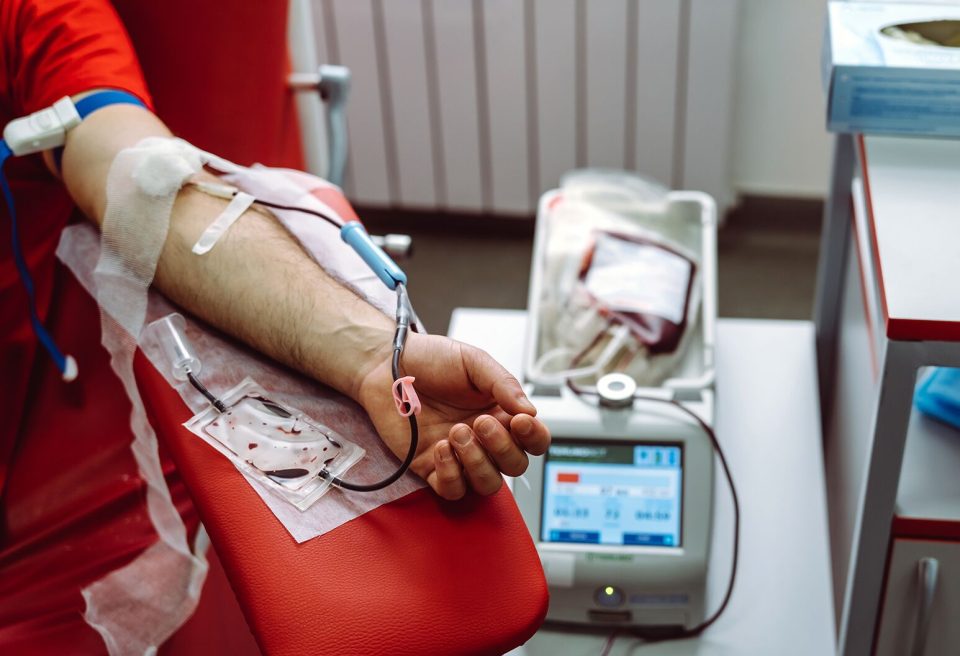
During the donation, a sterile needle is inserted into a vein in one arm. Blood is drawn into a device called an apheresis machine, which separates plasma from other blood components like red cells and platelets. The remaining components are returned to the donor’s bloodstream in real-time. The use of apheresis technology not only streamlines the donation process but also allows for the collection of a larger volume of plasma compared to traditional whole blood donation.
Throughout the procedure, a trained technician will monitor the donor’s well-being, ensuring safety protocols are followed. The donation process is not without its challenges; some donors may feel lightheaded or nauseous, which is completely normal. Donors are encouraged to communicate any discomfort, allowing for immediate care. Once plasma is collected, it undergoes rigorous laboratory testing for infectious diseases and quality assurance, ensuring that what is ultimately delivered to recipients is safe and effective.
Post-Donation Care: Recovering Like a Pro
Post-donation recovery is a crucial aspect of the plasma donation journey. After the donation, donors are advised to rest for about 10-15 minutes and enjoy some light refreshments provided by the donation center. This snack typically includes snacks high in sodium and sugar to replenish energy levels and help the body recover from the donation process. Producing plasma involves the loss of some proteins and fluid, so rehydration is critical.
It is equally essential to avoid strenuous activities for at least 24 hours following the donation. Engaging in heavy lifting or intense exercise may lead to dizziness or fainting due to the temporary reduction in blood volume and pressure. By taking it easy, donors facilitate a smooth recovery and allow their bodies to replenish lost plasma efficiently.
Furthermore, keeping an eye on your body’s signals is paramount. Should you experience any persistent dizziness, weakness, or adverse reactions, it is advisable to consult a healthcare provider. Generally, donors can safely resume their usual routine the following day. In repeated donations, maintaining a healthy lifestyle—balanced nutrition, hydration, and adequate rest—is vital for sustaining optimal health and ensuring effective plasma production.
The Impact of Plasma Donations: Changing Lives and Saving Futures
Real-Life Stories: Recipients of Plasma and Their Journeys
The impact of plasma donations cannot be overstated, especially when considering the real-life stories of individuals who have benefited from this altruistic act. Take, for instance, the journey of Sarah, a 32-year-old woman diagnosed with a severe autoimmune disease. Sarah’s condition wreaked havoc on her body, depleting her plasma-rich antibodies essential for fighting infections. After receiving multiple plasma transfusions over several months, Sarah experienced a remarkable recovery, regaining her strength and ability to engage in daily activities.
Another poignant story is that of Marcus, a young child battling a rare genetic disorder that affects his ability to produce crucial blood components. His parents turned to plasma donation communities, where they consistently received timely plasma products, allowing Marcus to thrive and enjoy his childhood with limited interruptions from his medical condition. These stories epitomize human resilience and the undeniable importance of plasma—a lifeline for countless individuals across different age groups and conditions.
The emotional journey intertwined with plasma therapy is impactful not only for the recipients but also for donors. Knowing that a small act of kindness can transform someone’s life—with stories shared among families and communities—fuels the cycle of donation and nurtures a robust support system. Donors have the privilege of engaging with recipients’ journeys, creating a bridge of empathy and shared humanity.
The Role of Plasma in Medical Treatments: A Deep Dive
Plasma serves as a pivotal part of several medical treatments, evolving our approach towards managing various health conditions. One of the most significant uses of plasma is in the production of immunoglobulins, which are used in treating immune deficiencies and autoimmune diseases. Immunoglobulins are derived from pooled plasma donations, providing patients with necessary antibodies that they may lack due to their conditions.
Additionally, clotting factor concentrates—life-saving treatments for hemophilia and similar bleeding disorders—are derived from plasma. Patients rely on these concentrates to manage their conditions, allowing them to lead healthy, active lives. Further, plasma is integral in treating burn victims through therapies that enhance skin regeneration.
An emerging and transformative application of plasma is in convalescent plasma therapy, particularly highlighted during the COVID-19 pandemic. By infusing plasma from recovered patients into those currently battling the virus, healthcare providers hope to harness the antibodies present in the recovered donors to combat infections. Ongoing research indicates promising results; as healthcare professionals delve deeper into plasma’s role in therapeutic applications, its significance in modern medicine continues to expand.
How Plasma Donations Fuel Innovations in Healthcare
As science and technology advance, so does the opportunity for plasma donations to spearhead innovations in healthcare. The field of regenerative medicine benefits enormously from plasma-derived products, encompassing everything from biologics to innovative treatments for chronic conditions. Ongoing clinical trials aim to harness the power of plasma in gene therapy and cellular therapies, illustrating its significance beyond traditional uses.
The future of plasma therapy is promising, positioning it at the forefront of modern medicine. Researchers are exploring how to harness various components of plasma for therapeutic agent development, potentially leading to breakthroughs in treating complex diseases ranging from Alzheimer’s to diabetes. Plasma donation thus becomes an integral cog in a larger wheel of health innovation—a community-driven effort that empowers patients and providers alike.
Moreover, as the healthcare sector continues to grapple with challenges such as supply shortages and rising costs, the necessity for ongoing plasma donations becomes increasingly critical. Supporting plasma donation means not only transforming individual lives but also nurturing the health of communities, creating a sustainable cycle that benefits all.
Myths and Misconceptions: Unpacking Common Misunderstandings
Debunking Myths: Does Donating Plasma Hurt?
A plethora of myths surround the act of plasma donation, one of the most prevalent being that it is a painful experience. While it is true that donating plasma involves inserting a needle into a vein, many donors report the sensation to be similar to that of donating blood. Slight discomfort may occur, but this typically subsides shortly after the needle is inserted.
Healthcare professionals strive to create a comfortable experience, utilizing techniques to minimize discomfort during insertion. Furthermore, the length of time dedicated to donation is counteracted by the significant impact one has on saving lives. Thus, the perceived pain is outweighed by the positive contributions to medical treatments and health outcomes.
Understanding the genuine experience of plasma donation can help reduce anxiety for prospective donors. Testimonies from thousands of donors cultivate an atmosphere of reassurance, proving that this simple act, while involving a small pinch, can generate monumental change.
Who Can Donate? Clarifying Eligibility and Safety Standards
Eligibility standards for plasma donation are established to safeguard both donors and recipients, and these criteria can sometimes be misunderstood. Generally, individuals aged 18-69 who weigh at least 110 pounds are eligible to donate plasma, provided they meet specific health criteria. The criteria typically exclude individuals with a history of certain medical conditions, recent infections, or those taking certain medications, to ensure the safety and efficacy of collected plasma.
Each donation center conducts an extensive screening process, assessing both medical history and current health. This process ensures that potential donors are in suitable health, promoting a safe donation experience while minimizing risks to recipients. The rigorous adherence to eligibility ensures that those who do donate can do so with confidence and peace of mind.
The age of donors is often a misconception. Many assume that older adults or individuals with pre-existing health conditions cannot contribute; however, as long as eligible donors fulfill the requirements set by healthcare professionals, they can play a significant role in plasma donation. Promoting inclusivity emphasizes that individuals of various backgrounds can positively impact public health.
Common Misconceptions: Is Donating Plasma Profitable or Altruistic?
The motivations behind plasma donation often come under debate, leading to misconceptions regarding altruism versus profitability. While some donation centers offer compensation for plasma donation, the underlying intention for many remains rooted in a desire to help others. Many donors view their contributions as a form of altruism, making a difference in the lives of recipients who are in critical need of plasma-derived treatments.
While some donors appreciate the ability to earn extra income, especially for students or individuals seeking additional funds, it is crucial to recognize that human generosity at the core of plasma donation cannot be overshadowed. Compensation can serve as an incentive but does not diminish the altruistic value of the act.
Promotional drives often emphasize donation awareness, appealing to the compassion that resonates within potential donors. Integrating both altruistic and financial motives effectively encourages broader participation, catering to both perspectives, thereby enhancing health outcomes for those reliant on plasma therapy.
FAQ
Question: What is the minimum age required for plasma donation? – Typically, individuals must be between the ages of 18 and 69 to donate plasma, ensuring they meet the health and safety criteria set by donation centers.
Question: How often can someone donate plasma? – Donors can generally give plasma once every 28 days, but frequency may vary based on individual health and regulations of specific donation centers.
Question: Is there a weight requirement for plasma donors? – Yes, most donation centers require donors to weigh at least 110 pounds to ensure their safety during the donation process.
Question: What should I eat prior to donating plasma? – It is recommended to consume light meals high in protein and to stay hydrated before donating, while avoiding high-fat foods that may affect plasma quality.
Question: Can anyone with a medical condition donate plasma? – No, individuals with certain medical conditions, recent infections, or those taking specific medications may be excluded from donating. A health screening ensures donor safety.
Question: How long does the plasma donation process take? – The entire plasma donation process typically takes about one to two hours, including health screenings and the donation itself.
Question: What happens to the plasma after donation? – After donation, the plasma undergoes rigorous testing in a laboratory to ensure its safety and effectiveness before it is used for medical treatments.
Question: Can plasma donation help with medical research? – Yes, plasma donations are crucial for advancing medical research and developing new treatments, particularly in fields like regenerative medicine and immunotherapy.
Useful Resources
- American Red Cross
- Plasma Alliance
- World Health Organization (WHO)
- AABB – Advancing Transfusion and Cellular Therapies
- National Institutes of Health (NIH)
- Centers for Disease Control and Prevention (CDC)
- America’s Blood Centers
- S. Food and Drug Administration (FDA)
