
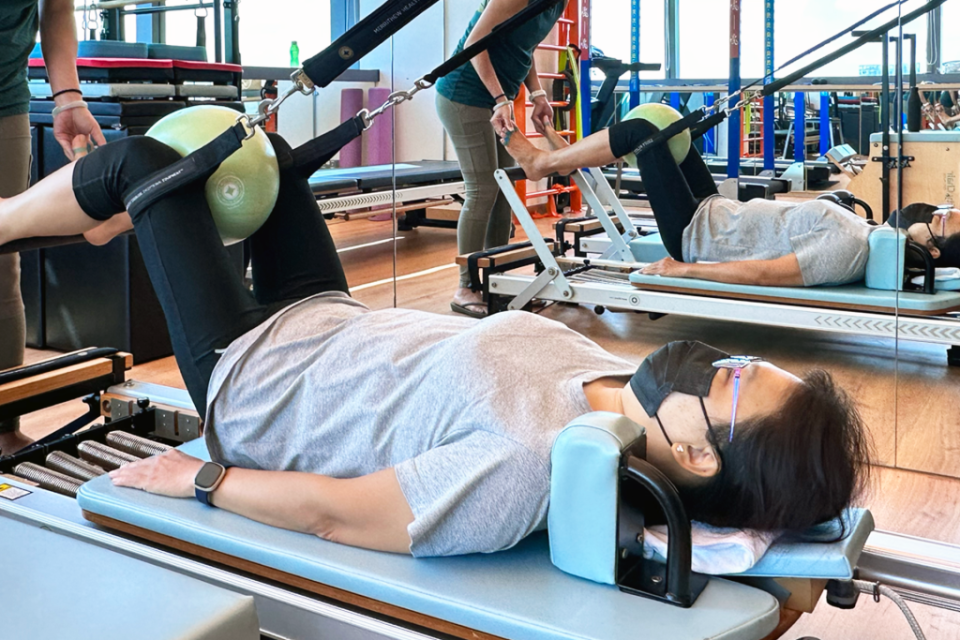
Motherhood is a life-changing experience, but it also brings significant physical challenges. Many women in Singapore find themselves dealing with weakened abdominal muscles, back pain, and changes in posture after giving birth. Recovering strength safely and effectively becomes a priority. Among the most recommended approaches is the pilates reformer, a versatile and controlled exercise method that helps new mothers rebuild their bodies from the inside out. Unlike high-impact workouts that may strain healing tissues, reformer Pilates focuses on gentle resistance, precise movement, and progressive strengthening, making it a suitable choice for postnatal recovery.
The Postnatal Body: What Changes After Childbirth?
Childbirth affects the body in many ways. Understanding these changes is the first step to choosing the right recovery programme.
-
Weakened Core Muscles: The abdominal wall stretches during pregnancy, often leading to diastasis recti, a separation of the abdominal muscles.
-
Pelvic Floor Weakness: Carrying and delivering a baby can strain or weaken the pelvic floor, affecting bladder control and stability.
-
Postural Shifts: The added weight of pregnancy changes spinal alignment, often leaving mothers with back or hip discomfort after delivery.
-
Fatigue and Energy Loss: Caring for a newborn requires energy, yet many mothers feel physically drained, making restorative exercise important.
The pilates reformer addresses these challenges with carefully designed exercises that prioritise healing, stability, and gradual strength-building.
Why Pilates Reformer Is Ideal for Postnatal Recovery
Unlike traditional workouts, reformer Pilates combines resistance, alignment, and mindful movement in a way that supports recovery rather than pushing the body beyond its limits.
Gentle Yet Effective Resistance
The reformer uses springs to create resistance that can be adjusted to individual needs. This makes it safe for new mothers who may not yet be ready for high-intensity or weight-bearing exercise.
Focus on the Core and Pelvic Floor
Reformer Pilates is highly effective at reactivating the deep abdominal muscles and pelvic floor, which are essential for regaining strength and preventing long-term complications such as back pain or incontinence.
Low Impact on Joints
Postnatal women often experience joint looseness due to lingering hormonal changes. The reformer provides controlled movement that strengthens muscles without putting unnecessary pressure on sensitive joints.
Full-Body Benefits
Beyond the core, reformer workouts target posture, flexibility, and overall muscle tone. This helps new mothers feel stronger, more energised, and better equipped for daily demands.
Core Strength: The Foundation of Postnatal Wellness
A strong core is essential not only for fitness but also for everyday function. After pregnancy, the abdominal wall and pelvic floor may be significantly weakened, leading to instability. Reformer Pilates provides targeted exercises that encourage safe re-engagement of these muscles.
Rebuilding the Abdominals
Exercises such as leg presses, pelvic tilts, and controlled bridges on the reformer allow gradual activation of the transverse abdominis, the deep muscle that functions like a corset around the midsection.
Pelvic Floor Reinforcement
Movements coordinated with breathing patterns help retrain the pelvic floor. This not only improves stability but also addresses issues such as postnatal leakage or discomfort.
Protecting the Lower Back
By strengthening the core and improving posture, reformer Pilates reduces the load placed on the lower back, an area that often suffers after childbirth due to lifting and carrying a baby.
Emotional and Mental Benefits for New Mothers
Postnatal recovery is not only about the physical body. Many women experience emotional challenges such as fatigue, low mood, or feelings of disconnection from their body. Pilates reformer sessions encourage mindfulness, controlled breathing, and relaxation, offering new mothers a chance to reconnect with themselves. The sense of accomplishment after a session can also boost confidence and support emotional resilience.
Practical Considerations for New Mothers in Singapore
When to Begin
Most women can begin gentle postnatal exercises about six to eight weeks after delivery, depending on the type of birth and medical clearance. For those with complications or a caesarean section, waiting a little longer may be necessary.
Studio vs Home Practice
While some women prefer home workouts, postnatal recovery benefits greatly from professional supervision. Instructors in Singapore can guide mothers safely, ensuring that exercises do not aggravate conditions such as diastasis recti. Studios like Yoga Edition provide structured programmes designed for different recovery stages.
Scheduling Around Motherhood
Time is often scarce for new mothers. Reformer Pilates sessions can be as short as 45 minutes, making them manageable within busy schedules. The efficiency of each session ensures noticeable results even with limited time commitment.
Safety Tips for Postnatal Pilates Reformer
-
Consult your doctor first: Always confirm readiness to resume exercise.
-
Avoid high resistance initially: Start with lighter springs to protect healing tissues.
-
Focus on breathing: Proper breath patterns enhance pelvic floor engagement and support safe movement.
-
Listen to your body: Fatigue or pain is a signal to stop or adjust the exercise.
-
Progress gradually: Increase intensity over time as strength returns.
Real-Life Scenarios of Postnatal Benefits
Case 1: New Mother Returning to Work
A professional in Singapore used reformer Pilates to rebuild her posture and energy after maternity leave. Within two months, she noticed reduced back pain and improved stamina for long workdays.
Case 2: Active Mother with Diastasis Recti
A mother of two with abdominal separation turned to the reformer to strengthen her core. Gentle but consistent exercises helped close the gap, improving stability and confidence.
Case 3: Senior Mother Managing Pelvic Floor Issues
Even older mothers who gave birth later in life benefited from reformer Pilates. Focused pelvic floor exercises reduced bladder leakage and restored independence.
FAQs About Pilates Reformer for Postnatal Recovery
Q. How soon after delivery can I start pilates reformer classes?
Typically six to eight weeks after delivery, but always confirm with your doctor before starting.
Q. Can pilates reformer help with diastasis recti?
Yes, it can. Reformer exercises are designed to gently activate and strengthen the abdominal muscles, which supports the healing of abdominal separation.
Q. Is it safe to do reformer Pilates if I had a caesarean birth?
Yes, but recovery time is usually longer. With medical clearance and proper guidance, reformer exercises can help rebuild strength safely.
Q. Will the reformer help with postnatal weight loss?
Indirectly, yes. While reformer Pilates is not a high-calorie-burning workout, it strengthens muscles, improves posture, and boosts energy, which supports overall fitness and weight management.
Q. Can I bring my baby to classes in Singapore?
Some studios do allow baby-friendly classes. It is best to check with the studio beforehand, as policies vary.
