
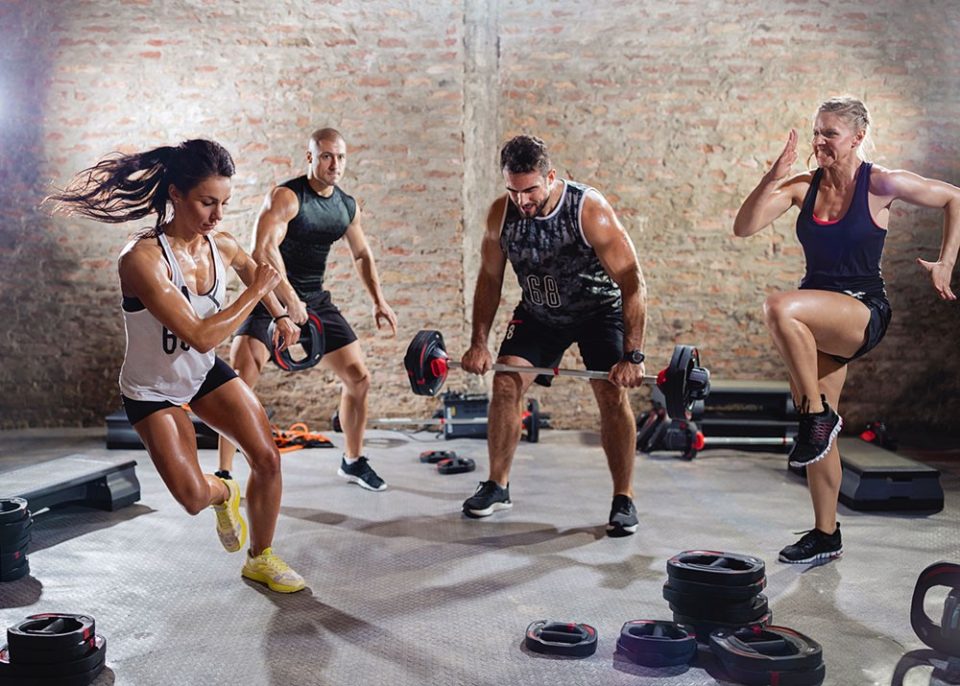
High-Intensity Interval Training (HIIT) has become one of the most talked-about fitness methods in recent years, and with good reason. Its efficiency, adaptability, and proven health benefits make it a leading choice for both beginners and seasoned athletes. If you have ever wondered why a hiit training workout is considered so effective, the answer lies in science, physiology, and practical application. In this article, we will explore the mechanisms that make HIIT powerful, why it continues to dominate the fitness scene, and how it can be integrated into everyday life.
What Makes HIIT Different
Traditional workouts often rely on steady-state cardio, such as running or cycling at a consistent pace for an extended period. HIIT, on the other hand, focuses on alternating short bursts of intense effort with periods of rest or lower-intensity activity. This pattern pushes the body to work at near maximum capacity during the high-effort intervals, followed by recovery phases that prepare it for the next burst. This unique structure creates several advantages:
-
Maximises calorie burn in a shorter time frame
-
Increases oxygen consumption during and after exercise
-
Improves both aerobic and anaerobic fitness simultaneously
-
Encourages metabolic adaptations that boost overall endurance
The alternating cycles stimulate the body in a way that traditional exercise cannot, making it ideal for people who want effective results without spending hours at the gym.
The Science of Metabolic Boost
One of the most compelling benefits of HIIT is its ability to trigger excess post-exercise oxygen consumption, often called the “afterburn effect.” After completing an intense workout, the body continues to consume oxygen at a higher rate than usual to restore balance, repair muscles, and replenish energy stores. This process burns additional calories even while you are resting.
Studies have shown that HIIT can significantly increase the resting metabolic rate for up to 24 hours after exercise. This means a single session not only burns calories during the workout but also keeps the metabolism elevated long after you have finished.
Cardiovascular Benefits
HIIT is highly effective in improving cardiovascular health. Short bursts of maximum effort push the heart to pump harder, strengthening the cardiovascular system. Clinical research indicates that HIIT can:
-
Lower blood pressure
-
Improve cholesterol profiles
-
Enhance vascular function
-
Reduce the risk of cardiovascular disease
Even individuals with existing health risks can safely perform modified HIIT routines under professional guidance, making it a versatile and inclusive form of training.
The Role of VO₂ Max
VO₂ max refers to the maximum amount of oxygen your body can utilise during exercise, and it is a key marker of endurance. HIIT has been shown to improve VO₂ max more effectively than steady-state cardio. By pushing the body repeatedly to near-maximum oxygen use during the intervals, HIIT conditions the cardiovascular and respiratory systems to operate more efficiently.
Increased VO₂ max translates into better stamina for activities beyond the gym, such as hiking, swimming, or even handling long workdays without fatigue.
Mental Health and Cognitive Benefits
While HIIT is usually praised for its physical benefits, research has also highlighted its impact on mental well-being. Engaging in regular HIIT can:
-
Reduce stress levels by lowering cortisol
-
Improve mood through endorphin release
-
Enhance cognitive function, including memory and focus
-
Build mental resilience through exposure to challenging bursts of activity
This dual benefit of body and mind makes HIIT appealing for modern lifestyles where both physical health and mental performance are equally valued.
Efficiency for Busy Lifestyles
One of the reasons HIIT has become popular in Singapore and globally is its time efficiency. Many people lead fast-paced lives and struggle to dedicate long hours to fitness. A structured HIIT session can last as little as 20 to 30 minutes while delivering the same, or sometimes greater, benefits as a traditional hour-long workout.
This makes HIIT ideal for working professionals, parents with limited free time, and anyone who wants to maximise health benefits within a tight schedule.
Muscle Development and Fat Loss
Contrary to the common perception that HIIT is only for cardio improvement, it also supports muscle development. Exercises such as jump squats, burpees, and kettlebell swings engage multiple muscle groups simultaneously. When done consistently, HIIT promotes lean muscle growth while also accelerating fat loss. This dual outcome explains why many individuals find themselves not only fitter but also more toned after months of structured HIIT routines.
Adaptability for All Levels
Another important factor in HIIT’s effectiveness is its adaptability. Whether you are a beginner or an experienced athlete, HIIT can be tailored to your fitness level. Beginners may start with longer recovery periods and shorter high-intensity intervals, while advanced participants can reduce recovery times and increase intensity.
This scalability allows HIIT to remain challenging as fitness improves, ensuring continued progress without plateaus.
How Singaporeans Are Embracing HIIT
Singapore’s fitness landscape has rapidly embraced HIIT, with more gyms and studios offering structured classes that make it accessible and engaging. True Fitness, for example, offers specialised Les Mills GRIT classes that bring together science-based training and group motivation. Such sessions not only deliver the benefits of HIIT but also create a sense of community, which motivates participants to push beyond their perceived limits.
Many Singaporeans appreciate how HIIT fits neatly into their schedules while delivering visible results in a relatively short period. It has become a staple in corporate wellness programmes, community gyms, and personal fitness plans.
Safety and Recovery Considerations
Although HIIT is highly effective, it is also demanding. Proper form, structured programming, and adequate recovery are essential. Overtraining without sufficient rest can increase the risk of injury or burnout. It is recommended that participants:
-
Warm up adequately before starting
-
Focus on technique to avoid strain
-
Limit HIIT sessions to 2–4 times a week depending on fitness level
-
Ensure balanced nutrition and hydration
-
Incorporate rest days and complementary activities such as yoga or mobility training
With the right precautions, HIIT is both safe and sustainable for long-term fitness.
The Future of HIIT
The future of HIIT lies in integration with technology and personalisation. Wearable devices now track heart rate, recovery time, and performance, allowing individuals to fine-tune their sessions. Virtual classes and app-based programmes also make HIIT more accessible for those who prefer home workouts. As fitness continues to evolve, HIIT is likely to remain at the forefront due to its strong foundation in science and adaptability.
FAQ
Q1. Can beginners start with HIIT immediately?
Yes, but it is advisable to start with a modified version where the intensity and duration of intervals are adjusted. Beginners should also focus on proper form before increasing difficulty.
Q2. How many times per week should I do HIIT?
For most people, 2 to 3 sessions a week are sufficient. This allows the body to recover while still gaining the full benefits of HIIT.
Q3. Do I need equipment for HIIT?
Not necessarily. Many HIIT routines use bodyweight exercises such as burpees, squats, and push-ups. However, equipment like kettlebells, resistance bands, or stationary bikes can add variety and intensity.
Q4. Is HIIT safe for people with medical conditions?
With proper medical advice, many individuals with conditions such as high blood pressure or obesity can perform modified HIIT safely. Always consult a doctor before starting any new exercise programme.
Q5. How does HIIT compare to strength training?
HIIT primarily targets cardiovascular endurance and fat loss, though it also supports lean muscle development. Strength training, on the other hand, is more focused on muscle hypertrophy and maximum strength. Combining both can create a well-rounded fitness routine.
Q6. Where can I try structured HIIT classes in Singapore?
Gyms like True Fitness provide professional group HIIT sessions such as Les Mills GRIT, offering expert guidance and a motivating atmosphere.
