
In the realm of personal wellness, few aspects are as fundamentally important—and yet often overlooked—as dental care. While we tend to associate oral hygiene with bright smiles and fresh breath, the implications of dental health extend far deeper. From cardiovascular well-being to self-confidence, our teeth and gums exert a profound influence over nearly every area of life. As science continues to uncover the intricate relationships between oral and systemic health, the value of maintaining excellent dental care has never been more apparent.
At its core, dental care encompasses the practices and habits designed to preserve the health of the mouth, teeth, and gums. This includes daily activities such as brushing, flossing, and rinsing, as well as regular visits to dental professionals for cleanings, examinations, and preventive treatments. Yet true dental care goes beyond routine—it is a conscious, ongoing investment in both aesthetics and health.
The mouth, after all, is a gateway to the body. Bacteria that thrive in the oral cavity can enter the bloodstream through inflamed gum tissue, contributing to conditions such as heart disease, diabetes, respiratory infections, and even complications in pregnancy. Periodontal disease, a chronic infection of the gums and supporting structures of the teeth, has been linked to an increased risk of stroke and other inflammatory conditions. Conversely, a clean, well-maintained mouth can act as a powerful barrier against such systemic risks, supporting overall immune function and bodily resilience.
Perhaps the most familiar pillar of dental care is the daily routine, and while brushing twice a day may seem like a mundane task, its impact cannot be overstated. Using a soft-bristled toothbrush and fluoride toothpaste, individuals can effectively remove plaque—a sticky film of bacteria—that accumulates on teeth and gums. When left undisturbed, plaque hardens into tartar, which can only be removed by a dental professional and can lead to both decay and gum disease. Flossing, often neglected despite its importance, serves the essential function of cleaning the spaces between teeth where a brush cannot reach. Together, these practices form the frontline defense against cavities and gingivitis.
Yet technique matters as much as consistency. Aggressive brushing can wear down enamel and irritate gums, while insufficient time spent brushing—less than the recommended two minutes—can leave behind harmful residue. Incorporating an antiseptic or fluoride rinse can further enhance the protective effects of brushing and flossing, creating an inhospitable environment for bacteria while strengthening enamel.
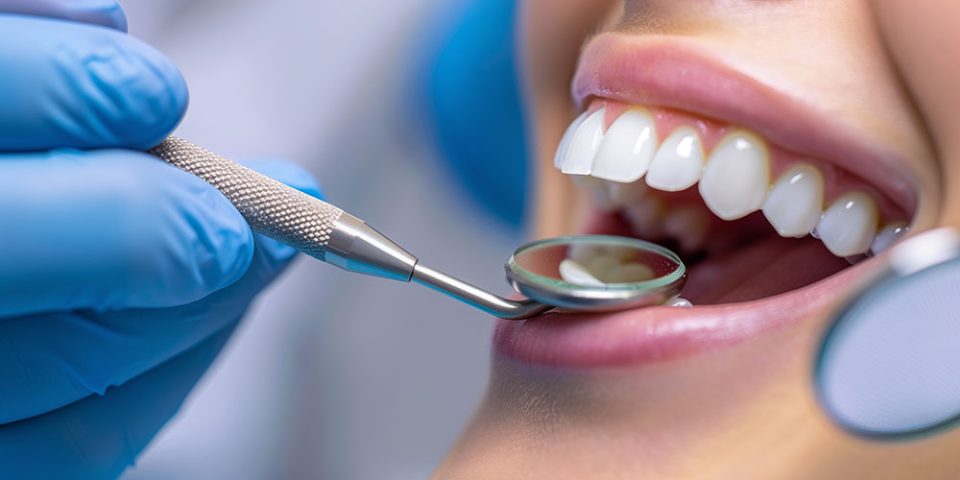
Beyond at-home care, professional dental visits play an irreplaceable role. Biannual check-ups allow dentists to identify and address problems before they become serious. A minor cavity, caught early, can be resolved with a simple filling, whereas neglect might lead to root canal treatment or tooth loss. Dental cleanings remove plaque and tartar buildup, polish the teeth, and often include fluoride treatments that reinforce enamel. Moreover, dental professionals screen for signs of oral cancer and other abnormalities that might escape an untrained eye.
As we age, dental needs evolve. Children require early guidance and preventive care, such as sealants and fluoride varnishes, to set the foundation for lifelong habits. Adolescents may face challenges related to orthodontics, wisdom teeth, or diet. Adults, meanwhile, contend with stress-related grinding (bruxism), the effects of smoking, or the consequences of neglect in earlier years. Seniors often deal with dry mouth due to medications, a higher risk of gum disease, and the maintenance of dental prosthetics. Across all life stages, personalized dental care ensures that specific needs are met with precision and empathy.
Aesthetic dentistry also plays a meaningful role in modern dental care. Cosmetic treatments—ranging from whitening and veneers to bonding and contouring—are not merely about vanity. A confident smile can transform one’s self-perception and social presence, influencing professional opportunities and interpersonal relationships. The psychological effects of smiling more often are well-documented, and the simple act of feeling good about one’s teeth can uplift overall mood and self-esteem.
Of course, challenges to maintaining optimal dental care still exist. Access to quality dental services remains unequal, with socioeconomic disparities affecting the frequency of dental visits and the quality of care received. In many communities, public health initiatives aim to bridge this gap through education, fluoridation programs, and mobile clinics. Encouragingly, awareness is growing, and more people are recognizing that dental care is not a luxury, but a vital part of comprehensive health care.
Nutrition, too, plays a crucial role in dental well-being. Diets high in sugar and acidic beverages like soda or fruit juice accelerate enamel erosion and feed the bacteria responsible for tooth decay. Calcium-rich foods, leafy greens, and water with fluoride all contribute positively to oral health. Just as the body requires balanced nourishment, so too does the mouth thrive when given the right support.
In recent years, innovations in dental technology have elevated both the experience and outcomes of dental care. Digital imaging allows for more precise diagnoses, while laser treatments offer less invasive solutions to gum disease and decay. 3D printing has revolutionized dental prosthetics, enabling faster, more customized restorations. These advancements, coupled with a more holistic approach to patient care, have transformed dental offices into welcoming environments focused on comfort, education, and long-term wellness.
Ultimately, dental care is about stewardship. It is the ongoing act of honoring the body through attention, diligence, and informed choices. While a radiant smile may be the most visible outcome, the deeper rewards—resilience against disease, improved quality of life, and quiet confidence—are equally significant. In treating our mouths with care, we do not merely protect our teeth; we invest in our broader well-being, one brushstroke at a time.
