
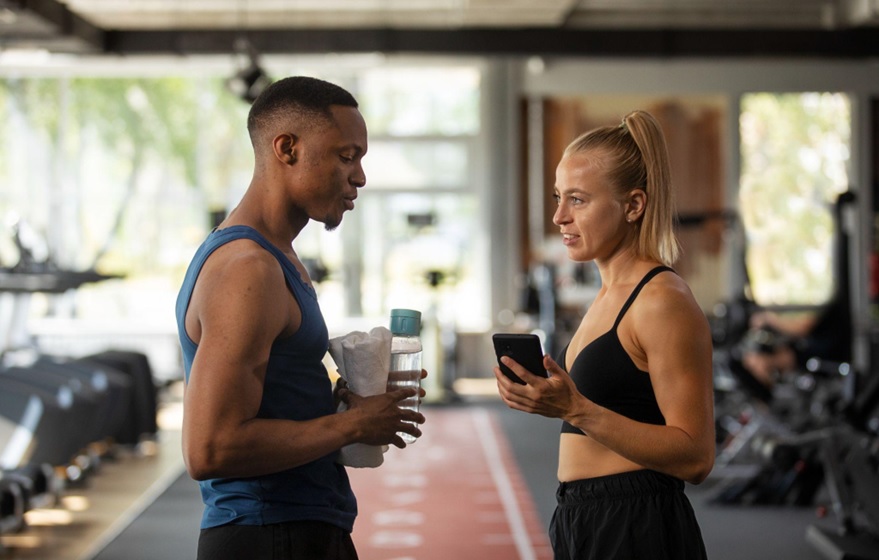
More than 1.4 million residents have enrolled in Healthier SG since it launched in July 2023, about 59% of everyone eligible, and 83% of them have completed their first Health Plan with a family doctor. That’s a remarkable number of Singaporeans now carrying a written plan with goals such as screenings, vaccinations and lifestyle changes. The tricky part tends to be the lifestyle bit. “Be more active” is easy to agree with in a consultation room and much harder to turn into a weekly habit, which is exactly the gap an elderly personal trainer is set up to fill.
What Does a Healthier SG Health Plan Ask You to Do?
Healthier SG is for residents aged 40 and above. You enrol with one clinic, attend a fully subsidised first consultation and leave with a Health Plan you can view on HealthHub. You’re then expected to check in with your doctor once a year so the plan can be updated.
When it comes to exercise, the plan usually points towards Singapore’s national physical activity guidelines. For older adults, those suggest 150 to 300 minutes of moderate activity a week, muscle-strengthening work on at least two days, and, for those aged 65 and above, activities that combine strength, balance and movement. The guidelines are clear about what to aim for. What they can’t do is show you how to start safely if your knees ache, your balance feels shaky or you haven’t exercised in decades.
Where Does a Personal Trainer for Elderly Clients Fit In?
Think of your doctor as setting the destination and a personal trainer for elderly clients as helping you plan the route. The trainer’s job is to take the broad goal in your Health Plan and break it into sessions that match your body as it is today. In practice, the hand-off often looks like this:
- You bring your Health Plan, along with any conditions and medications your doctor has noted.
- Your trainer asks about limits or precautions your doctor has mentioned, such as blood pressure targets or joint concerns.
- Simple baseline checks follow, like how many times you can stand up from a chair in 30 seconds or how steady you are on one leg.
- A programme is built around those results, starting light and progressing gradually.
- Progress is reviewed regularly, ideally before your next annual check-in so you have something concrete to discuss.
This is also why the right elderly personal trainer asks a lot of questions before handing you a single weight. The aim is to meet the spirit of your Health Plan without pushing past what your body is ready for.
Should Your Doctor and Trainer Talk to Each Other?
They don’t need to speak directly for this to work, but they should be pulling in the same direction. A trainer isn’t a substitute for medical care and shouldn’t adjust anything your doctor has prescribed. What they can do is follow the precautions you share, keep notes on how you respond to exercise and flag anything unusual, such as dizziness, chest discomfort or unexpected breathlessness, so you can raise it with your clinic.
If you’re managing diabetes, high blood pressure or recovering from surgery, it’s worth asking your doctor at your next visit whether there’s anything a personal trainer for elderly clients should know. A short written note can save a lot of guesswork.
How Will You Know It’s Working Before Your Next Check-In?
One of the most useful things you can bring to your annual Healthier SG review is evidence. Rather than telling your doctor you’ve been “trying to exercise”, you can show what has actually changed:
| What to track | How to track it | Why it’s useful |
| Weekly active minutes | Healthy 365 app or a simple diary | Shows progress towards the national guideline |
| Chair-stand count | Repeated every few weeks with your trainer | Reflects leg strength used for daily tasks |
| Balance time | Seconds standing on one leg near support | Helps flag changes in steadiness |
| Home blood pressure | Readings taken as your doctor advises | Gives your doctor real-world numbers |
Your trainer can help keep these records consistent, which makes the conversation with your doctor much more specific and useful.
A Plan That Leaves the Clinic With You
Healthier SG has made preventive care a normal part of life for a large share of Singaporeans, but a plan sitting in an app doesn’t change much on its own. The people who get the most out of it tend to be the ones who treat their annual check-in as a progress report rather than a reminder. Working with an elderly personal trainer is one practical way to make that happen, especially if you’d like guidance, accountability and someone keeping an eye on your form while you build strength at your own pace.
Bring your Health Plan along and let’s work out where to start together. Contact Vigeo Health & Fitness to arrange a first session built around your goals.
