
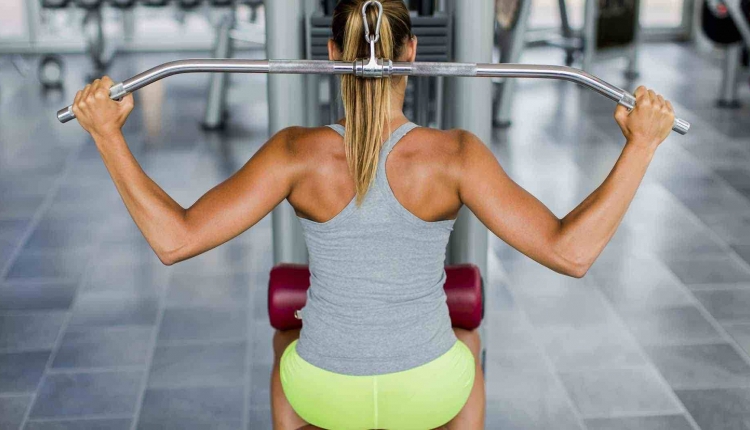
Stepping into a gym for the first time, or even returning after a long hiatus, can feel incredibly empowering. It is a space dedicated to self-improvement, health, and personal growth. However, the gym is also a shared community environment. Just like any other social space, it operates on a set of unwritten regulations designed to keep everyone safe, comfortable, and focused on their workouts.
Understanding proper gym etiquette is just as crucial as knowing how to execute a perfect squat or bench press. Good manners foster a positive atmosphere where everyone can train efficiently. Conversely, poor gym behavior can cause frustration, create safety hazards, and alienate fellow gym-goers. Whether you are a seasoned powerlifter or a complete novice, adhering to these fundamental rules ensures the gym remains a welcoming space for all.
The Golden Rule: Re-rack Your Weights
If there is a single commandment that sits at the top of the gym hierarchy, it is this: always return your equipment to its proper place when you are finished. Leaving weights scattered across the floor or loaded onto a machine is a major breach of etiquette.
Why Re-racking Matters
When you leave heavy plates on a barbell or a leg press machine, you force the next person to clean up after you. This can be especially problematic if the next user is smaller, injured, or unable to safely lift the heavy loads you left behind. Furthermore, dumbbells left rolling around on the floor create a severe tripping hazard in high-traffic zones.
Best Practices for Weight Management
-
Match the numbers: Return dumbbells and kettlebells to their designated slots on the rack, ensuring they are in numerical order.
-
Strip the bar: When using a barbell for deadlifts, squats, or bench presses, remove all the plates when your sets are complete.
-
Don’t hoard equipment: Avoid gathering five different pairs of dumbbells around your bench for a complex circuit if the gym is busy. Take what you need for your current exercise and return them before grabbing the next set.
Hygiene and Cleanliness: Wipe Down Your Machine
Gyms are hotbeds for sweat, oils, and bacteria. No one wants to sit down in a puddle of someone else’s perspiration. Maintaining a clean workout environment is a matter of basic hygiene and mutual respect.
The Towel Protocol
Most facilities provide spray bottles filled with disinfectant solution alongside paper towels, or they offer specialized sanitizing wipes. Make it a habit to thoroughly wipe down every piece of equipment you touch. This includes the vinyl padding on benches, the handles of cable attachments, the grips of dumbbells, and the electronic consoles of treadmills or ellipticals.
Personal Hygiene Essentials
-
Wear clean clothes: Synthetic workout fabrics can trap odors. Ensure your gym attire is freshly laundered before heading out.
-
Use deodorant: While you are expected to sweat, using deodorant helps keep body odor manageable in an enclosed space.
-
Avoid heavy fragrances: Refrain from dousing yourself in strong perfumes or colognes right before your workout. In a warm, enclosed room, intense scents can trigger headaches or allergic reactions in sensitive individuals.
Sharing is Caring: Navigating Busy Peak Hours
During peak hours, gym real estate becomes incredibly valuable. Being mindful of how much space and time you are consuming is essential to keeping the flow of the gym moving smoothly.
Working In
If you are resting between sets on a highly coveted machine, do not be surprised if someone asks to work in with you. Working in means swapping places so the other person can perform their set while you take your scheduled rest break.
Unless you are performing a highly specialized or timed superset, it is polite to let others use the machine during your downtime. Conversely, if you need a machine that is occupied, wait for the person to finish their current set before politely asking how many sets they have left, or if you can work in.
Avoid the Squatter Mentality
-
Get off your phone: The biggest culprit behind gym congestion is phone usage. Sitting on a machine while endlessly scrolling through social media or texting between sets takes valuable equipment away from others. If you need to send a long message or check an email, step away from the machine.
-
Do not use benches as tables: Keep your water bottle, gym bag, lifting belt, and keys on the floor or in a locker, not taking up a bench that someone else could use for an exercise.
Spatial Awareness and Safety
Gyms are packed with heavy, moving iron and people pushing themselves to physical exhaustion. Maintaining sharp situational awareness prevents catastrophic accidents.
Give People Space
Never walk directly in front of someone who is actively performing a heavy lift, especially if they are looking in a mirror. Mirrors are not just for vanity; lifters use them to monitor their form and alignment to prevent injury. Walking into their line of sight can break their concentration and lead to a dangerous misstep.
Additionally, give a wide berth to anyone doing dynamic movements like kettlebell swings, Olympic lifts, or dumbbell lunges.
Dropping Weights and Grunting
While pushing your limits often requires intense effort, intentional slamming or dropping of weights should be kept to an absolute minimum. Standard dumbbells and fixed barbells are not designed to be dropped from shoulder height and can easily bend, break, or bounce unpredictably into someone else.
If you are performing deadlifts or Olympic lifts on a dedicated lifting platform with bumper plates, controlled dropping is acceptable, but it should never be done out of theatricality. Similarly, keep grunting to a reasonable, natural level. Excessive, performative screaming is disruptive and intimidating to others around you.
The Digital Age: Camera and Headphone Etiquette
With the rise of fitness content creation, smartphones and tripods have become commonplace in commercial gyms. However, your right to document your fitness journey ends where another person’s right to privacy begins.
Tripod and Recording Courtesy
If you choose to record your lifts for form checks or social media, ensure your camera setup does not block walkways or impede someone else’s access to equipment. Most importantly, try to angle your camera so that other gym members are not unwillingly captured in your footage. Never film someone else without their explicit permission, and absolutely never record anyone to mock or judge them online.
Headphone Awareness
Wearing headphones is the universal universal sign for do not disturb. Respect this boundary for others. If someone has their headphones on, avoid striking up casual conversation unless it is an emergency or you need to ask about equipment usage.
On the flip side, ensure your own music is kept at a volume where it does not bleed out of your earbuds, and never broadcast audio or videos through your phone speakers in the open gym area.
Gym Etiquette FAQ
How long is it acceptable to rest on a machine between sets?
A standard rest period for general fitness and hypertrophy ranges between sixty and ninety seconds. For heavy strength training, rest periods can extend from two to five minutes. If your rest periods are on the longer side, it is best to step off the machine or offer to let someone else work in so the equipment does not sit idle.
Is it acceptable to ask someone for a spot if I do not know them?
Yes, it is entirely acceptable and actually encouraged for safety reasons. Most gym-goers are happy to help save a fellow lifter from getting pinned under a heavy barbell. When asking for a spot, approach the person between their sets. Briefly explain exactly how many repetitions you intend to attempt and whether you want help with the liftoff.
Can I perform supersets using multiple pieces of equipment when the gym is busy?
It is best to avoid complex supersets or circuit training that requires hoarding multiple machines during peak hours. If the gym is crowded, stick to exercises that can be done with a single piece of equipment, or pair a machine exercise with a bodyweight or dumbbell movement that you can perform right next to that machine.
What should I do if someone is using equipment I want but they are on their phone?
Wait until they finish their active set, then politely approach them and ask, “Hi, how many sets do you have left on this?” This gentle question usually serves as a subtle reminder to the person that someone else is waiting, prompting them to wrap up their phone usage and finish their exercise.
Are there specific rules about footwear in the gym?
Yes. For safety and hygiene reasons, closed-toe athletic shoes must be worn at all times in the main workout areas. Sandals, flip-flops, and bare feet are major safety hazards due to the risk of dropped weights or stubbed toes. The only common exception is on dedicated lifting platforms where some athletes prefer to deadlift in socks for better stability.
Is it okay to offer form advice to someone if I see them doing an exercise incorrectly?
As a general rule, do not give unsolicited advice to strangers in the gym. Even if your intentions are purely helpful, it can come across as condescending or intrusive. The only exceptions are if the person is in immediate danger of severely injuring themselves, or if they explicitly ask you for feedback on their form.
Should I bring my large gym bag onto the weight room floor?
No, large duffel bags and backpacks should be left in the locker room. Keeping large bags on the gym floor creates a tripping hazard for people carrying heavy weights and takes up valuable space in between machines. Only bring necessary items to the floor, such as a water bottle, a small sweat towel,
