
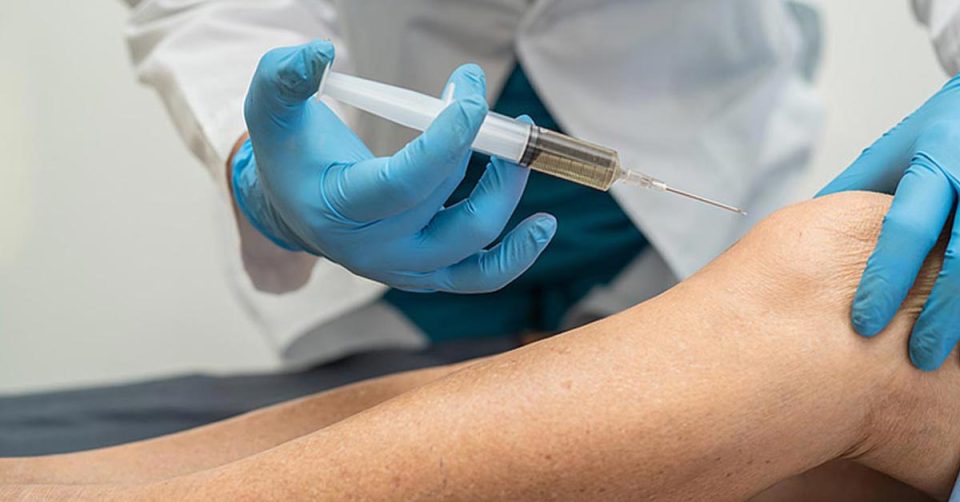
Chronic joint pain can disrupt every aspect of daily life, turning simple tasks like walking, climbing stairs, or reaching for an object into painful challenges. For years, major surgery was often presented as the ultimate solution for severe joint degradation. However, invasive procedures come with significant risks, lengthy recovery periods, and no absolute guarantee of complete pain relief.
Fortunately, the medical landscape has shifted dramatically. Today, an array of non-invasive and minimally invasive treatments allows individuals to manage pain, restore mobility, and protect joint health without ever stepping into an operating room. By exploring these modern alternatives, you can take control of your joint health and find effective relief.
Understanding the Shift Toward Non-Invasive Care
The joints are complex structures where bones, cartilage, ligaments, tendons, and fluid work in harmony. When injury, wear and tear, or autoimmune conditions damage these components, chronic inflammation and pain follow. While surgery aims to structurally repair or replace a joint, non-invasive therapies focus on reducing inflammation, promoting natural cellular healing, and improving the biomechanics of the body.
Choosing non-invasive pathways first offers several distinct advantages:
-
-
Zero Downtime: Most conservative treatments require little to no recovery time, allowing you to maintain your work and social schedules.
-
Lower Risk Profile: Avoiding anesthesia, incisions, and hospital stays eliminates the risk of surgical infections and blood clots.
-
Preservation of Natural Anatomy: Keeping your original joint intact is always preferable to introducing artificial components, which have a limited lifespan.
-
Advanced Physical Therapy and Biomechanical Retraining
Physical therapy is the cornerstone of non-invasive joint care. Rather than simply resting a painful joint, targeted movement strengthens the surrounding musculature, which unloads pressure from the damaged joint itself.
Targeted Strengthening and Stabilization
When a joint lacks stability, the friction between bones increases, accelerating cartilage wear. A physical therapist designs customized exercise regimens to strengthen the “shock absorbers” of your joints. For example, strengthening the quadriceps and hamstrings reduces the mechanical load on the knee joint, significantly mitigating osteoarthritis pain.
Manual Therapy and Joint Mobilization
Physical therapists use hands-on techniques to gently move joints and soft tissues through specific ranges of motion. This manual manipulation helps break down scar tissue, reduce muscle guarding, and improve the circulation of synovial fluid, which is the natural lubricant of your joints.
Aquatic Therapy
For individuals with severe pain or weight-bearing limitations, aquatic therapy provides an ideal environment. The buoyancy of water unloads the joints, allowing patients to perform strengthening and range-of-motion exercises that would be too painful to execute on hard ground.
Orthobiologics and Regenerative Medicine
Regenerative medicine represents one of the most exciting frontiers in modern orthopedics. These treatments harness the body’s natural healing mechanisms to signal cellular repair within damaged joint environments.
Platelet-Rich Plasma Therapy
Platelet-Rich Plasma therapy involves drawing a small sample of the patient’s own blood and spinning it in a centrifuge to isolate and concentrate the platelets. These platelets are rich in growth factors, which are proteins crucial for tissue healing. The concentrated plasma is then injected directly into the painful joint under ultrasound guidance. This treatment reduces chronic inflammation and can alter the destructive environment inside an arthritic joint.
Bone Marrow Aspirate Concentrate
Similar to platelet therapies, this procedure utilizes cells harvested from the patient’s own bone marrow, typically from the hip bone. The harvested concentrate contains a dense mixture of signaling cells, anti-inflammatory proteins, and growth factors. When injected into the affected joint, it helps coordinate a robust healing response, slowing down the progression of tissue degeneration.
Viscosupplementation and Corticosteroid Injections
When oral medications fail to provide relief, localized injections can deliver targeted therapy directly to the source of the pain.
Hyaluronic Acid Injections
In healthy joints, synovial fluid contains high concentrations of hyaluronic acid, which provides lubrication and shock absorption. In an arthritic joint, this fluid becomes thin and diluted. Viscosupplementation involves injecting a gel-like substance mimicking natural hyaluronic acid directly into the joint space. This treatment is particularly effective for knee osteoarthritis, helping the joint glide smoothly and reducing mechanical pain for several months.
Corticosteroid Injections
For acute, debilitating flare-ups of joint pain, corticosteroid injections offer rapid relief. Corticosteroids are powerful anti-inflammatory agents that calm down severe swelling and pain within days. While they do not heal the underlying tissue damage, they open up a window of pain-free time, allowing patients to actively participate in physical therapy.
Therapeutic Lifestyle and Dietary Strategies
The systemic environment of your body plays a massive role in how joints feel and function. Chronic, low-grade systemic inflammation can amplify localized joint pain.
Weight Management and Joint Loading
Every extra pound of body weight places a disproportionate amount of pressure on weight-bearing joints. For instance, walking puts roughly four times your body weight in pressure on your knees. Losing even a modest amount of weight can exponentially decrease the mechanical stress on your lower extremities, immediately altering your pain trajectory.
Anti-Inflammatory Nutrition
Dietary choices directly influence inflammatory pathways. Diets high in refined sugars, trans fats, and processed foods can worsen joint inflammation. Conversely, a diet rich in omega-three fatty acids, leafy greens, berries, and lean proteins helps dampen the body’s inflammatory response, acting as a natural, internal shield for your joints.
Bracing, Orthotics, and Assistive Technology
Altering the physical alignment of a joint can instantly alleviate pressure on damaged areas, allowing for pain-free movement.
Unloader Braces
For individuals with arthritis concentrated on one side of a joint, an unloader brace can be incredibly effective. These specialized braces shift the physical load away from the damaged side of the joint and transfer it to the healthier side, providing immediate mechanical relief during walking and sports.
Custom Orthotics
Foot mechanics dictate the alignment of the entire lower body. Misalignments in the feet can cause a chain reaction that strains the ankles, knees, and hips. Custom-molded shoe inserts correct these biomechanical flaws, ensuring that forces are distributed evenly across all joints during movement.
Frequently Asked Questions
How do I know if I am a candidate for non-invasive joint treatments instead of surgery?
Most individuals with mild to moderate joint degeneration, and even many with severe arthritis, are excellent candidates for non-invasive therapies. If you have not tried a structured combination of physical therapy, weight management, and targeted injections, you should explore these options first. Surgery is typically reserved for cases where neurological function is compromised or when all conservative measures fail to preserve your quality of life.
How long does it take to see results from Platelet-Rich Plasma injections?
Unlike corticosteroid injections which offer rapid relief within a few days, Platelet-Rich Plasma therapy relies on a biological cascade to repair and soothe the area. Most patients begin to notice a gradual reduction in pain and stiffness around four to six weeks after the injection, with improvements continuing for several months as inflammation subsides.
Can damaged joint cartilage ever completely grow back using non-invasive methods?
Current non-invasive treatments, including regenerative medicine, do not completely regrow pristine, original cartilage over large areas. Instead, these therapies work by altering the biochemical environment of the joint, stopping further degradation, reducing inflammation, and stimulating the formation of fibrocartilage, which acts as a functional buffer to relieve pain.
Are there any long-term side effects to receiving multiple corticosteroid injections?
Yes, frequent corticosteroid injections into the same joint can lead to the accelerated breakdown of joint cartilage and weaken the surrounding tendons over time. For this reason, medical professionals generally limit these injections to three or four times a year, using them strategically rather than as a continuous long-term solution.
Does insurance typically cover advanced therapies like viscosupplementation and regenerative medicine?
Most standard health insurance plans and Medicare cover physical therapy, custom bracing, and corticosteroid injections. Viscosupplementation for the knees is often covered, though it may require prior authorization. Regenerative treatments, such as Platelet-Rich Plasma and bone marrow concentrates, are currently considered elective by most insurance providers and are often paid for out-of-pocket.
Is aquatic therapy useful for upper body joint pain, or is it only for hips and knees?
Aquatic therapy is highly beneficial for upper body joints like the shoulders and spine. The warmth of the water helps relax tight muscles and increase blood flow, while the resistance of the water allows for gentle, low-impact strengthening of the rotator cuff and upper back muscles without the strain of heavy weights.
