
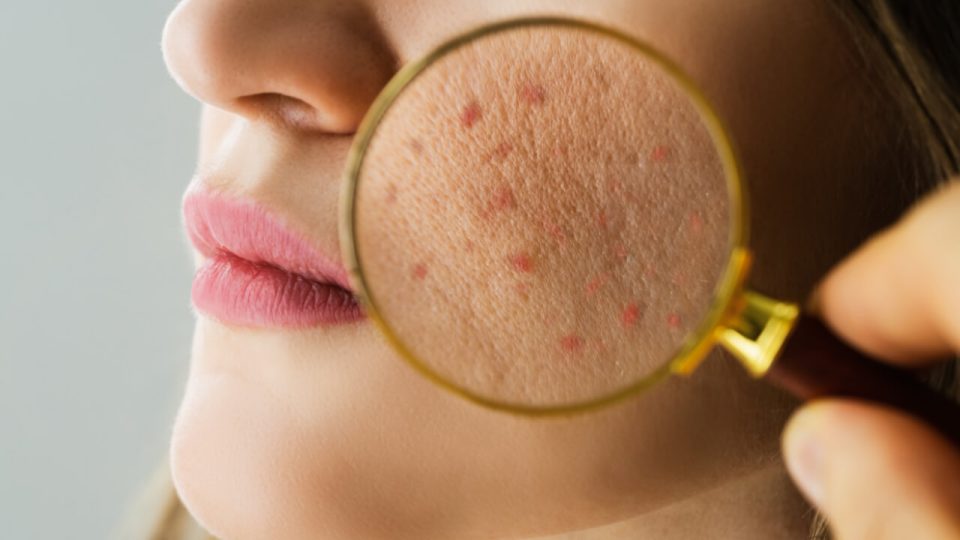
The skin is the largest organ of the human body, acting as both a protective shield against the outside world and a mirror reflecting internal health. For decades, conventional skincare advice focused almost exclusively on topical treatments, including creams, serums, and cleansers. However, modern nutritional dermatology has fundamentally shifted this perspective.
What you put on your plate is just as consequential as what you put on your face. Cellular pathways connect your digestive system directly to your skin structure. By understanding how specific foods alter hormones, trigger immune responses, and impact cellular longevity, you can use your diet as a powerful tool to control acne, manage systemic inflammation, and slow the biological aging process.
The Glycemic Index: The Fuel Behind Acne and Sebum Production
Acne vulgaris is a complex, multi-factorial skin condition, but one of its primary dietary drivers is the consumption of high-glycemic carbohydrates. Foods like white bread, sugary pastries, white rice, and carbonated sodas cause a rapid, sharp spike in blood glucose levels.
When blood sugar rises abruptly, the pancreas secretes a massive surge of insulin to clear glucose from the bloodstream. This insulin spike triggers a domino effect through a specific signaling pathway known as Insulin-like Growth Factor 1, or IGF-1. Elevated levels of IGF-1 stimulate the sebaceous glands in your skin to produce excessive amounts of sebum, the oily substance meant to keep skin lubricated.
An overproduction of sebum creates a perfect storm. The excess oil mixes with dead skin cells, clogging pores and creating an oxygen-deprived environment. This environment allows Propionibacterium acnes, the bacteria responsible for acne flare-ups, to multiply rapidly.
Furthermore, IGF-1 increases the production of androgens, male hormones present in both men and women, which further accelerates oil production and worsens cellular inflammation within the pore. Adopting a low-glycemic diet rich in whole grains, legumes, and fibrous vegetables stabilizes blood sugar, blunting this hormonal cascade and reducing acne severity at its source.
Chronic Inflammation: The Hidden Link to Inflammatory Skin Conditions
Inflammation is a vital defense mechanism when your body is fighting off an acute infection or healing a wound. However, when diet-induced inflammation becomes chronic and low-grade, it destroys healthy tissues, including the delicate structures of your skin. Chronic inflammation is a major culprit behind eczema, psoriasis, and inflammatory acne.
The Omega-6 to Omega-3 Ratio
The modern Western diet is heavily skewed toward pro-inflammatory fatty acids. Industrial seed oils, such as corn, soybean, sunflower, and cottonseed oils, are exceptionally high in omega-6 fatty acids. While omega-6 fats are essential in tiny amounts, consuming them in excess causes the body to produce pro-inflammatory signaling molecules called eicosanoids.
To counteract this, the body requires omega-3 fatty acids, which are found in high concentrations in fatty fish like salmon, mackerel, and sardines, as well as chia seeds and walnuts. Omega-3s synthesize anti-inflammatory molecules that actively dial down the body’s immune reactivity. When the dietary ratio of omega-6 to omega-3 is balanced, systemic inflammation drops, resulting in a calmer, less reactive, and more even-toned complexion.
The Gut-Skin Axis
The connection between your digestive tract and skin health is known as the gut-skin axis. A diet low in fiber and high in ultra-processed foods starves beneficial gut bacteria, leading to a state of dysbiosis. This imbalance weakens the intestinal lining, creating a condition often referred to as intestinal permeability.
When the gut barrier is compromised, microscopic food particles and bacterial toxins leak into the bloodstream. The immune system views these particles as foreign threats, launching a systemic inflammatory response that manifests directly as redness, swelling, and breakouts on the surface of the skin.
Advanced Glycation End-Products: The Molecular Drivers of Skin Aging
Skin aging is characterized by a loss of elasticity, the formation of fine lines, and increased sagging. While chronological aging is inevitable, premature structural aging is heavily accelerated by a dietary process known as glycation.
+-------------------------------------------------------+
|  High Sugar Consumption / Elevated Blood Glucose      |
+---------------------------+---------------------------+
                            |
                            v
+-------------------------------------------------------+
|  Sugars Bind to Collagen and Elastin Proteins         |
+---------------------------+---------------------------+
                            |
                            v
+-------------------------------------------------------+
|  Formation of Advanced Glycation End-Products (AGEs)   |
+---------------------------+---------------------------+
                            |
                            v
+-------------------------------------------------------+
|  Cross-Linking of Fibers: Skin Loses Elasticity & Sags|
+-------------------------------------------------------+
When you consume excess sugar, the glucose molecules float freely through your bloodstream and bind permanently to proteins and fats in a non-enzymatic reaction. This binding process creates destructive molecules called Advanced Glycation End-products, appropriately abbreviated as AGEs.
The primary targets of AGEs are collagen and elastin, the two fundamental proteins responsible for keeping skin firm, plump, and bouncy. Healthy collagen is incredibly resilient and flexible. However, when AGEs attach to collagen fibers, they cause the proteins to cross-link, turning them stiff, brittle, and fragile.
Once damaged by glycation, the body cannot easily repair these proteins, and the skin loses its ability to bounce back, leading directly to deep wrinkles. AGEs also deactivate the body’s natural antioxidant enzymes, making the skin significantly more vulnerable to environmental damage from ultraviolet radiation and pollution.
Dietary Strategies for Radiant, Youthful Skin
To optimize your nutrition for clear, resilient, and youthful skin, focus on incorporating key nutrient groups that actively combat glycation, soothe inflammation, and regulate sebum production.
-
Prioritize High-Density Antioxidants: Antioxidants neutralize free radicals, the unstable molecules that accelerate aging and inflammation. Incorporate a wide variety of colorful berries, leafy greens, and dark chocolate, which contain polyphenols and flavonoids that shield skin cells from oxidative stress.
-
Incorporate Zinc-Rich Foods: Zinc is a powerful mineral that regulates cellular turnover, reduces sebum production, and acts as a natural antibacterial agent against acne-causing bacteria. Excellent sources include pumpkin seeds, oysters, beef, and lentils.
-
Consume Vitamin C Collaborators: Vitamin C is an indispensable co-factor for collagen synthesis. Without adequate vitamin C, your body cannot efficiently build or repair the skin’s structural matrix. Lean heavily on citrus fruits, bell peppers, strawberries, and broccoli.
-
Hydrate with Green Tea: Green tea is rich in epigallocatechin gallate, a potent antioxidant compound proven to lower insulin levels, reduce systemic inflammation, and directly inhibit the specific pathways that cause sebaceous glands to overproduce oil.
Frequently Asked Questions
Does drinking dairy milk directly cause acne breakouts?
Clinical research indicates a strong correlation between dairy consumption, particularly skim milk, and acne. Dairy naturally contains growth hormones and anabolic precursors designed to assist newborn calves. When humans digest these proteins, specifically whey and casein, it triggers a significant release of insulin and raises IGF-1 levels. This hormonal spike stimulates the oil glands and accelerates pore clogging, making dairy a common trigger for individuals prone to hormonal breakouts.
Can eating greasy foods like french fries instantly cause an oily pimple to form?
The belief that grease from a fried food immediately travels to your face to create a pimple is a myth. However, fried foods indirectly promote acne over time. Deep-fried foods are cooked in highly unstable vegetable oils at extreme temperatures, creating damaged fats and free radicals. When consumed, these oils promote systemic inflammation and alter the lipid composition of your sebum, making your natural skin oils thicker, stickier, and more likely to plug your pores days later.
How does alcohol consumption accelerate skin aging and wrinkle formation?
Alcohol acts as a potent diuretic, drawing moisture directly out of your body’s tissues. Severe dehydration robs the skin of its natural volume and plumpness, causing fine lines and wrinkles to look much deeper and more pronounced. Furthermore, alcohol metabolizes into acetaldehyde, a toxin that induces widespread inflammation, dilates capillaries, and depletes the skin of its vital reserves of vitamin A, a key antioxidant required for cellular regeneration.
Are there specific cooking methods that can reduce the formation of aging compounds in food?
Yes, the way you cook your food alters its concentration of Advanced Glycation End-products. Cooking methods that use dry, high heat, such as grilling, roasting, frying, and broiling, drastically accelerate the formation of AGEs within the food itself, particularly in meats. To minimize dietary AGEs, prioritize cooking methods that utilize moisture and lower temperatures, such as stewing, poaching, braising, and steaming. Utilizing acidic ingredients like lemon juice or vinegar in marinades also significantly reduces AGE formation.
How long does it take for dietary changes to reflect on the surface of the skin?
Skin cells require roughly twenty-eight to thirty days to complete a full cycle of regeneration, moving from the deepest layers to the surface where they eventually slough off. Because dietary shifts alter your skin’s health from the inside out, you should not expect overnight miracles. It typically takes a minimum of four to six weeks of consistent nutritional changes to observe a noticeable reduction in acne, improved hydration levels, and decreased redness.
Can consuming collagen supplements completely erase existing wrinkles?
While collagen supplements are popular, they do not act as a direct erasure tool for wrinkles. When you ingest collagen, your digestive system breaks the protein down into basic amino acids, which are then distributed throughout the entire body based on biological priority. While these amino acid peptides can provide the necessary building blocks to support skin hydration and overall health, they cannot target a specific wrinkle or override the damaging structural effects of smoking, chronic sun exposure, or high sugar intake.
