
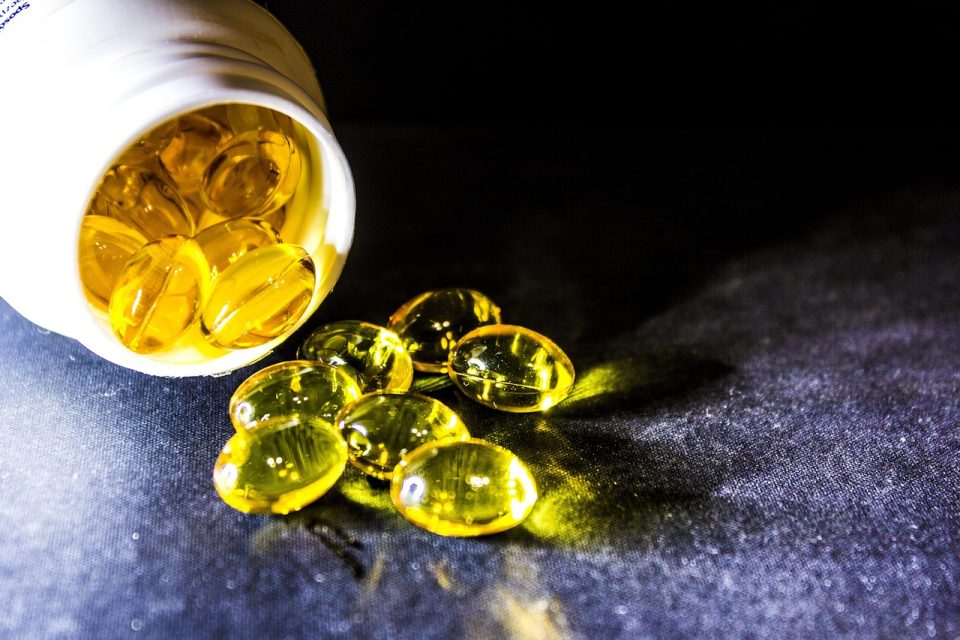
Key Takeaways
Fermented cod liver oil contains omega-3 fatty acids, including EPA and DHA, which support several important functions in the body.
Omega-3 fatty acids may support cardiovascular health by helping manage triglyceride levels and supporting healthy blood vessel function.
Fatty acids contribute to brain function, cell structure, and the body’s normal inflammatory response.
Omega-6 and omega-9 fatty acids also play important roles in maintaining normal cellular and metabolic functions.
Cod liver oil naturally contains vitamins A and D, which support vision, immune function, and bone health.
The nutritional content of fermented cod liver oil can vary depending on its production method and formulation.
Choosing a quality product and following appropriate dosage guidance are important for safe supplementation.
Understanding the Nutritional Value of Fermented Cod Liver Oil
Essential Fatty Acids and Vitamins for Overall Wellness
Fermented cod liver oil is a dietary supplement made from cod liver oil that undergoes a fermentation-based preparation process. It is valued for its potential nutritional content, particularly omega-3 fatty acids and the naturally occurring vitamins A and D.
Omega-3 fatty acids, especially EPA (eicosapentaenoic acid) and DHA (docosahexaenoic acid), are important for maintaining normal bodily functions. They contribute to cell membrane structure and support cardiovascular and brain health.
The oil may also contain other fatty acids, including omega-6 and omega-9. These fats serve different purposes in the body, from supporting cell structure to helping regulate normal physiological processes.
Vitamins A and D provide additional nutritional value. Vitamin A supports normal vision and immune function, while vitamin D contributes to calcium absorption, bone health, and immune system function.
What Makes Fermentation Different?
Fermentation is used in certain traditional food and supplement production methods. However, it is important to understand that fermentation does not automatically guarantee higher nutrient absorption or superior nutritional quality.
The actual nutrient content and quality of fermented cod liver oil depend on factors such as sourcing, processing, storage, and product formulation. Consumers should review product information and independent testing rather than assuming that every fermented product provides the same benefits.
Those interested in adding this supplement to their routine can explore fermented cod liver oil and review its ingredients, nutritional information, and recommended serving instructions.
7 Fatty Acid Benefits of Fermented Cod Liver Oil
1. Supports Cardiovascular Health
Omega-3 fatty acids are widely studied for their role in cardiovascular health. EPA and DHA can help lower elevated triglyceride levels, particularly when consumed in sufficient amounts. They may also support normal blood vessel function and contribute to overall heart health.
Regular omega-3 intake is one part of a heart-conscious lifestyle that includes a balanced diet, physical activity, and appropriate medical care.
Potential cardiovascular benefits include:
- Helping maintain healthy triglyceride levels.
- Supporting normal blood vessel function.
- Contributing to the body’s natural inflammatory response.
- Supporting overall cardiovascular wellness.
However, cod liver oil should not be considered a replacement for prescribed medication or medical treatment for heart conditions.
2. Supports Brain Function and Cognitive Health
DHA is an important structural component of brain cell membranes. It plays a role in maintaining normal brain structure and function throughout life.
EPA also contributes to several physiological processes associated with brain health. Together, these omega-3 fatty acids make cod liver oil a potential dietary source of nutrients that support normal cognitive function.
Some research has explored the relationship between omega-3 intake and memory, mood, and cognitive performance. However, results vary, and taking a supplement does not guarantee improvements in concentration or mental clarity.
3. Helps Maintain a Healthy Inflammatory Response
The body uses fatty acids to produce signaling molecules that influence inflammatory processes. Omega-3 fatty acids, particularly EPA, contribute to the production of compounds involved in regulating the body’s inflammatory response.
Maintaining a balanced intake of different fatty acids is important for normal physiological function. Omega-6 fatty acids are also essential, although their effects depend on the specific fatty acid and overall dietary pattern.
The goal is not to eliminate omega-6 fats but to maintain a varied and balanced diet that provides appropriate amounts of essential fatty acids.
4. Supports Skin Health and Moisture Balance
Healthy skin depends on several nutrients, including essential fatty acids. Omega-3 fatty acids contribute to cell membrane structure and help maintain normal skin function.
Adequate fatty acid intake may support the skin’s natural moisture barrier and help maintain its overall condition. These nutrients are also involved in processes that influence normal inflammatory responses.
Cod liver oil also contains vitamin A, which plays an important role in skin cell development and maintenance.
However, supplements are not guaranteed treatments for acne, eczema, dryness, or other skin conditions. People experiencing persistent skin concerns should seek advice from a qualified healthcare professional.
5. Contributes to Eye Health and Normal Vision
DHA is naturally present in the retina, making it an important fatty acid for normal eye function. Adequate DHA intake supports the structural components of eye tissues and contributes to maintaining healthy vision.
Cod liver oil also provides vitamin A, a nutrient essential for normal vision, particularly in low-light conditions. Vitamin A supports the production of visual pigments that allow the eyes to respond to changes in light.
Together, these nutrients contribute to eye health as part of an overall balanced diet.
6. Supports Cell Membrane Structure and Function
Fatty acids are essential building blocks of cell membranes. They help maintain membrane structure and influence how cells interact with their surrounding environment.
Omega-3 and omega-6 fatty acids are particularly important because the body cannot produce sufficient amounts of certain essential fatty acids on its own.
Their functions include:
- Helping maintain healthy cell membrane structure.
- Supporting normal communication between cells.
- Contributing to the production of important signaling molecules.
- Supporting the normal function of different tissues and organs.
Omega-9 fatty acids are also involved in normal cellular and metabolic processes, although they are not considered essential because the body can produce them.
7. Provides Nutrients That Support Immune and Bone Health
In addition to fatty acids, cod liver oil naturally contains vitamins A and D. Both nutrients contribute to important functions related to immune health.
Vitamin A supports the normal development and function of immune cells and helps maintain protective barriers in the body. Vitamin D supports immune system regulation and helps the body absorb calcium, which is necessary for maintaining healthy bones and teeth.
These nutrients make cod liver oil a source of more than just omega-3 fatty acids. However, the amount of vitamins A and D can differ between products, so checking the nutritional label is important.
How to Incorporate Fermented Cod Liver Oil Into Your Daily Routine
Choosing the Right Serving and Timing
The appropriate serving of fermented cod liver oil depends on the product’s concentration, nutritional content, and the individual’s dietary needs.
Rather than automatically starting with a teaspoon, follow the manufacturer’s serving instructions and check the amounts of EPA, DHA, vitamin A, and vitamin D per serving.
Taking the supplement with food may help some people tolerate its taste and reduce digestive discomfort. Consistency can also make it easier to follow a supplementation routine.
Before taking cod liver oil regularly, consider the following:
- Check the Label: Review the recommended serving size and nutrient amounts.
- Consider Total Vitamin Intake: Avoid combining multiple supplements that may provide excessive amounts of vitamins A or D.
- Follow Professional Guidance: Ask a healthcare professional about an appropriate serving for your needs.
- Monitor Tolerance: Pay attention to possible digestive discomfort or other unwanted reactions.
People who are pregnant, breastfeeding, taking medication, or managing an existing health condition should consult a healthcare professional before using cod liver oil.
Ways to Add It to Your Diet
Some people find the taste of cod liver oil challenging. Depending on the product’s instructions, it may be easier to take alongside a meal or incorporate it into suitable foods.
Possible options include:
- Smoothies: Take the recommended serving alongside a smoothie made with fruits and vegetables.
- Salad Meals: Pair the supplement with a balanced salad containing healthy fats and other nutrient-rich ingredients.
- Regular Meals: Take it with food to make supplementation easier to maintain.
Always check the product instructions before mixing it with food or exposing it to heat. Some oils may be sensitive to high temperatures, which can affect their quality.
What to Consider When Choosing Fermented Cod Liver Oil
Not all cod liver oil products have the same nutritional profile or manufacturing standards. Buyers should review product information carefully before selecting a supplement.
Important factors include:
- Nutritional Information: Check the amounts of EPA, DHA, vitamin A, and vitamin D per serving.
- Quality Testing: Look for independent testing or documentation addressing purity and potential contaminants.
- Ingredient Sourcing: Review information about where the cod is sourced and how the oil is processed.
- Storage Requirements: Follow the manufacturer’s instructions for refrigeration, storage, and use after opening.
- Product Transparency: Choose brands that clearly explain their ingredients, production methods, and serving recommendations.
A carefully selected product can help consumers make more informed decisions about their nutritional needs.
FAQ
What are the main fatty acid benefits of fermented cod liver oil?
Fermented cod liver oil provides omega-3 fatty acids, including EPA and DHA, which support cardiovascular health, brain function, and normal inflammatory processes. Its fatty acids also contribute to cell membrane structure and other important bodily functions.
What makes fermented cod liver oil different from regular fish oil?
Cod liver oil comes from the liver of cod and naturally contains vitamins A and D in addition to fatty acids. Regular fish oil is generally extracted from the body tissues of oily fish and primarily provides omega-3 fatty acids. Products marketed as fermented cod liver oil use a fermentation-based preparation method, but their nutritional content and quality should be evaluated individually.
Does fermented cod liver oil contain omega-3, omega-6, and omega-9?
Cod liver oil contains a mixture of fatty acids, including omega-3 and other fatty acids. The exact amounts and types depend on the product. Consumers should check the manufacturer’s nutritional information for a complete breakdown.
Can fermented cod liver oil support heart health?
Its omega-3 fatty acids may support cardiovascular health, particularly by helping reduce elevated triglyceride levels when consumed in appropriate amounts. However, supplementation should not replace prescribed heart medication or other medical recommendations.
How much fermented cod liver oil should I take daily?
There is no universal serving size that is appropriate for everyone. The recommended amount depends on the product’s EPA, DHA, vitamin A, and vitamin D content, as well as individual health needs. Follow the product label and consult a healthcare professional when necessary.
Can fermented cod liver oil support skin and eye health?
It provides nutrients associated with normal skin and eye function. Omega-3 fatty acids contribute to cell membrane structure, while vitamin A supports normal vision and skin cell development. Results depend on overall nutritional status and individual circumstances.
Are there any risks associated with taking fermented cod liver oil?
Possible concerns include digestive discomfort and excessive intake of vitamins A and D. High amounts of preformed vitamin A can be harmful, particularly during pregnancy. People with fish allergies, those taking medications that affect blood clotting, and individuals with medical conditions should seek professional advice before using the supplement.
Can children take fermented cod liver oil?
Cod liver oil may provide nutrients that support normal growth and development, but the appropriate amount depends on the child’s age, diet, and total vitamin intake. Parents should consult a pediatrician before giving children a cod liver oil supplement.
